Get Full Government Meeting Transcripts, Videos, & Alerts Forever!
Get email alerts on the Rogers Quarry Environmental topic
No spam. Unsubscribe anytime.
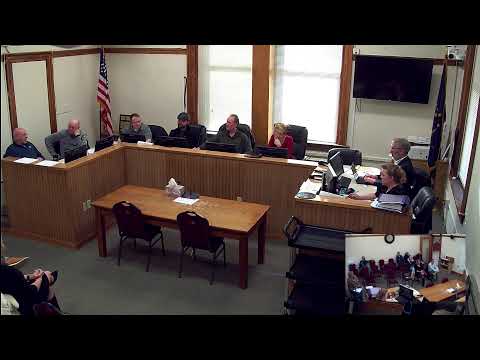
Commission hears urgency on Rogers quarry/jail site: Phase I environmental report set to expire; new study recommended
Summary
Legal counsel advised the commission that the Phase I environmental report for the Rogers quarry property (site proposed for a new jail) will expire Feb. 16, potentially exposing the county to liability; commissioners authorized staff to seek another Phase I and delegated selection and price approval in a limited range.
The Owen County Redevelopment Commission was told the Phase I environmental site assessment on the county’s proposed jail site at the Rogers quarry will expire on Feb. 16, creating a deadline to close or to obtain a new, unexpired report to limit environmental liability.
County counsel and outside counsel reviewed the engagement letter with the environmental consultant and recommended the commission consider commissioning a second Phase I assessment rather than proceeding with an expiring report. "Moving forward with a with an expired report could expose the county to additional environmental liability," counsel said. The consultant’s 180-day report stemmed from an August 10 delivery; the expiration date listed in the meeting is Feb. 16.
The meeting record shows the earlier Phase I cost about $23,100; commissioners were told a second Phase I would likely cost a similar amount. Commissioners discussed whether to retain the same firm or seek other qualified firms; county counsel recommended soliciting proposals from additional environmental firms.
Commissioners raised environmental concerns cited in the report, including the presence of an on-site or nearby portable concrete plant (referred to as an IMI plant), an aboveground storage tank described in the report as roughly 10,000 gallons, and other potential contamination such as used tires and chemical storage. One participant suggested excluding the small area around the plant from the county purchase or arranging cleanup prior to closing to avoid adding remediation liability to the county’s jail construction budget.
The commission voted to delegate outreach to identified officials (Craig, Tony and John Reeves were named in the meeting) to locate a qualified firm and to give those staff and legal representatives limited price authority to procure a new Phase I report; the motion passed by voice vote. The transcript records an estimated Phase I cost figure and a subsequent motion to authorize seeking proposals and approving an upper price range; the meeting record shows the commission approved moving forward without requiring three bids because the amount was considered de minimis.
Commissioners also discussed radon testing and core-drilling documentation for the nine-acre portion where the jail would be sited; staff said they would assemble previously provided core samples and provide copies of the reports to commissioners. The commission asked staff to follow up with the site operator and the landowner identified as Brett Franklin to clarify ownership and whether the IMI plant remains on the parcel.