Get Full Government Meeting Transcripts, Videos, & Alerts Forever!
Get email alerts on the Foster Benefits Preservation topic
No spam. Unsubscribe anytime.
Report to Legislature recommends preserving some federal benefits for foster youth; counties urge caution on cost and administration
Summary
A Management Analysis and Development (MADD) study delivered to the Legislature recommends preserving federal cash benefits for some children in foster care; county officials warned the change would create significant fiscal and administrative burdens and urged state reimbursement and careful design.
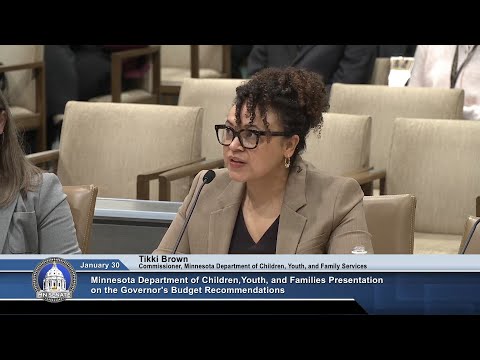
A report produced for the Department of Children, Youth and Families recommends preserving certain federal cash benefits for eligible children in foster care and asked the Legislature to set the program’s scope and eligibility. Agency staff and county leaders told the Health and Human Services Committee that the proposal raises complex operational and fiscal questions that will need legislative resolution.
Jennifer Sommerfeld, government relations director for DCYF, walked senators through the MADD analysis and stakeholder engagement during the Jan. 30 hearing. The study collected input from counties, tribes, youth with lived experience, and community organizations and reviewed state and federal statutes and other states’ approaches. Sommerfeld said the engagement showed ‘‘support … for preserving federal benefits while in foster care’’ but that stakeholders also raised concerns about financial exploitation, administrative costs and impacts on youth eligibility for other assistance.
What the report found
- Scope and prevalence: Counties reported serving as representative payees for an average of 10 children per county per year (range 0–136). Across Minnesota the report calculated an average of about 739 children or youth per year receiving federal cash benefits while in foster care; the statewide average total reported across five fiscal years was roughly $3.2 million per year.
- County practices and variability: The department’s surveys found wide variation in county practices. About 76% of counties indicated they sometimes left benefits in the home to support reunification. County respondents highlighted differences in how many children counties serve as rep payees for and the total funds received.
- Stakeholder concerns: Participants urged youth financial education and safeguards against exploitation; counties expressed staffing, auditing and bank‑account administration concerns; advocates stressed the potential benefit to youth transitioning out of care. The report notes other states often wish they had studied design and implementation issues more thoroughly before launching programs.
County testimony and recommendations
Stacy Hennen of the Minnesota Association of County Social Service Administrators (MACSA) told the committee counties rely on these federal funds to offset foster care costs and that removing local discretion without reimbursement could increase levies or force service reductions. Hennen cited the report’s 2022 figure that counties received an estimated $2.79 million in federal benefits that year and warned that small counties often lack the staff to manage savings accounts or trust funds. She said: “The administrative burden of tracking, maintaining and managing individual savings accounts for fluctuating case loads would require substantial new infrastructure, including staffing and compliance monitoring.”
MACSA’s recommendations included reimbursing counties for lost revenue if preservation is required, allowing counties to make case‑by‑case decisions to support reunification, limiting preservation requirements to permanent placements to avoid administrative strain, ensuring preserved funds do not affect other benefit eligibility (for example SNAP or Medicaid), and investing in broader transition and prevention services for youth aging out of care.
Agency recommendations and open questions
Sommerfeld said DCYF’s working recommendation is that counties manage preserved funds because counties are closest to the child, typically serve as representative payees and would be positioned for day‑to‑day account oversight. The department also recommends leaving benefits in the home while reunification efforts continue, creating consistent contract and banking terms through state procurement, and asking the Legislature to identify which benefits are in scope and to appropriate funds to cover county fiscal impacts and audits. The presentation flagged technical issues — such as ensuring accounts do not cause loss of eligibility for needs‑based programs and covering account fees and tax preparation costs — that would require legislative or federal guidance.
Next steps and legislative considerations
DCYF submitted the report on Jan. 15 and told the committee it is not proposing specific legislation this session, noting substantial design questions remain (for example: which benefits to include, at what age to begin preservation, and how to structure accounts so SSI eligibility is not jeopardized). Committee members signaled interest in further study and some lawmakers indicated they plan to pursue bills or work with stakeholders; Senator Mark Abler offered to lead a draft effort and invited county and agency collaboration.
Ending note
The department framed preservation as one tool to help youth exiting foster care build assets, while county officials warned that without state reimbursement and careful design the policy could shift unsustainable costs and administrative responsibilities to local governments.