Get Full Government Meeting Transcripts, Videos, & Alerts Forever!
PURA explains docket process: how contested hearings, RAM adjustments and rate cases work
Summary
The state Public Utilities Regulatory Authority (PURA) briefed legislators on its quasi‑judicial docket process, the difference between contested and non‑contested proceedings, and timing for revenue‑adjustment filings tied to utility rates.
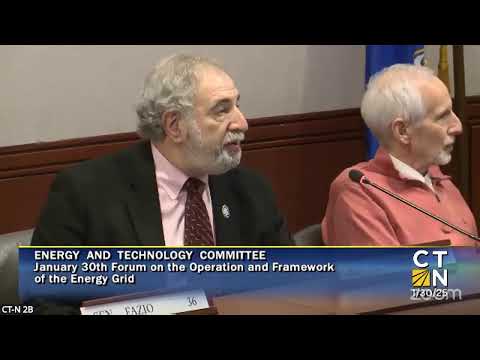
Connecticut’s Public Utilities Regulatory Authority (PURA) told an informational forum that it operates like a quasi‑judicial agency and that its decisions rely on the evidence developed in formal dockets. PURA staff described how contested proceedings (such as rate cases) follow an extended evidentiary schedule, while revenue adjustment and standard service filings follow abbreviated, time‑sensitive processes.
PURA Chair explained the agency’s docket process: opening filings, pre‑filed testimony, technical sessions, evidentiary hearings with witness…
Already have an account? Log in
Subscribe to keep reading
Unlock the rest of this article — and every article on Citizen Portal.
- Unlimited articles
- AI-powered breakdowns of topics, speakers, decisions, and budgets
- Instant alerts when your location has a new meeting
- Follow topics and more locations
- 1,000 AI Insights / month, plus AI Chat