Get Full Government Meeting Transcripts, Videos, & Alerts Forever!
Get email alerts on the K 12 Academic Performance topic
No spam. Unsubscribe anytime.
King George schools outline post‑COVID learning loss, new assessments and targeted interventions
Summary
Instruction staff told the school board that SOL testing gaps from COVID show measurable learning loss in reading and math, and presented multiple tools — including VALS, PALS, targeted intervention staff and Virginia Literacy Act supports — to accelerate student recovery.
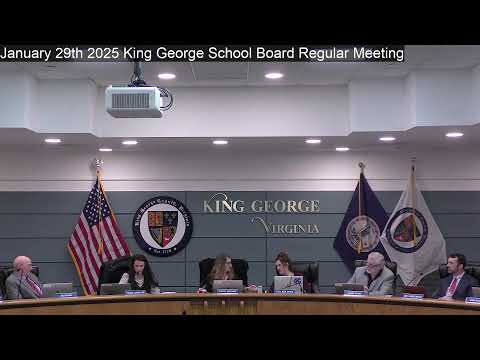
King George County Schools officials told the school board on Jan. 29 that state and local test results show measurable learning loss since the COVID years and described a bundle of assessments and staffing changes intended to accelerate recovery.
The presentation, led by curriculum and instructional staff, reviewed 10 years of reading and math pass‑rate and accreditation data and explained why the metrics diverge: the state now awards accreditation credit for growth (grades 3–8), which raises accreditation percentages relative to raw pass rates. “We had a two‑year gap in SOL data from COVID,” said the instructional lead, noting changes in grade grouping and shifting standards that complicate year‑to‑year comparison.
Why it matters: board members asked for the analysis after concerns about literacy and numeracy. Presenters said King George’s patterns follow statewide declines and that the division must combine better real‑time screening and targeted staffing to close gaps before students reach higher‑stakes grades.
Key details: presenters grouped the evidence three ways. Pass‑rate data (raw percentage of students who passed SOLs) shows the clearest immediate picture of who passed tests; accreditation data factors in growth and transfer‑student adjustments and therefore can appear ~15 percentage points higher in some elementary grades since growth credit was added. Instruction staff also highlighted PALS (early literacy screening) and the new VALS/VEVA analytical tools that provide cohort and predictive modeling to target intervention earlier in the year.
Instructional responses included: - Increased use of interim assessments and “quick checks” during interventions so teachers can adjust instruction within weeks rather than waiting to the spring SOL season. - Expanded communication to families (PowerSchool letters, VVaS parent reports) and math/reading resources posted to the district website. - Staffing requests tied to the Virginia Literacy Act (VLA): additional elementary reading teachers and preschool paraprofessionals, and an ESOL teacher to cover growth in English‑learner needs.
Presenters said kindergarten–third grade PALS data showed improvement relative to state figures following locally implemented science‑of‑reading practices and professional development begun before the statewide VLA rollout. “We consistently leverage all of our available data to inform and enhance instruction across our division,” said Karen de Kloet, the elementary math specialist.
What remains unresolved: staff said high school growth is harder to count because VHSL/accreditation rules do not credit growth the same way they do for grades 3–8. Board members pressed for more details on how additional positions would be allocated and how the division will monitor progress when new standards are tested this spring.
Ending: the instructional team recommended continuing progress monitoring, expanding evidence‑based literacy interventions, and approving the staffing and VLA‑related expenses in the superintendent’s budget request so interventions can be sustained.