Get Full Government Meeting Transcripts, Videos, & Alerts Forever!
Get email alerts on the Tourism Master Plan topic
No spam. Unsubscribe anytime.
St. Mary’s County moves ahead with first countywide tourism and hospitality master plan
Summary
County tourism manager outlined a first-ever strategic plan aimed at coordinating attractions, improving water access and museum experiences, and launching a South County action plan; phase 1 finishing and timeline may extend beyond fiscal year end.
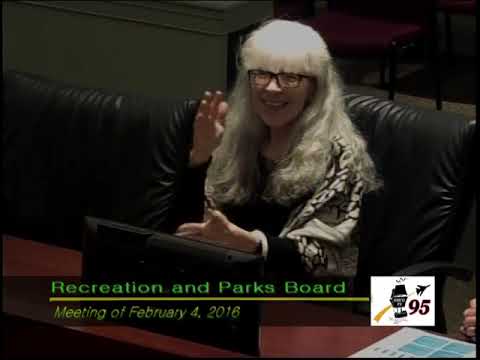
Carolyn O'Rey, St. Mary's County tourism manager, told the Recreation and Parks Advisory Board on Feb. 4 that the county is developing its first comprehensive Tourism and Hospitality Master Plan to guide future development and projects.
The plan, O'Rey said, will provide a short-, medium- and long-term road map for tourism in St. Mary's County and includes a separate South County action plan intended to kick-start immediate work in that region. O'Rey said phase 1 (data gathering, surveys and focus groups) is nearly complete and that the county hopes to finish the full plan by the end of the fiscal year, though the timeline could slip because of the level of community engagement required.
O'Rey told the board that tourism already contributes to the county economy. "Over 700,000 visitors come to the county every year," she said, and she reported visitors' spending and associated tax benefits as key economic drivers to be considered in the plan. She said the county's tourism industry includes museums, parks, wineries, agritourism sites, trails, sports complexes, lodging and dining, and that those assets and the museums in particular will be a focus for near-term improvements.
In describing early findings from nine focus groups and multiple surveys, O'Rey highlighted several recurring themes that will shape recommendations: improving water access and amenities at existing access points, coordinating projects to avoid fragmented, siloed investments, expanding experiential and interactive museum programming, and addressing regulatory constraints that affect waterfront businesses (zoning and health-department requirements were noted). She also said changing demographics — including growth in younger adults and in Hispanic, African American and Asian populations — mean the plan must consider new market preferences and technology-driven expectations.
O'Rey described a set of possible near-term priorities identified by stakeholders: developing multiuse sports facilities, improving amenities at water access points rather than seeking more access, and providing museums with staffing and operational support to deliver more interactive visitor experiences. She said the master plan work is being done in partnership with Recreation and Parks staff and museum professionals, and that community input and private‑public partnerships will be central to implementing the plan.
The master planning committee includes municipal and county museum staff and other stakeholders; O'Rey said museum and tourism leaders will be a first focus for the plan's initial projects. She closed by inviting the board to review the plan materials in the meeting packet and to participate in future stakeholder meetings.
The county will continue community outreach as it moves from situational analysis to identifying "low-hanging fruit" projects and then to drafting specific investments and implementation steps.