Get Full Government Meeting Transcripts, Videos, & Alerts Forever!
Get email alerts on the Solar Power Purchase Agreement topic
No spam. Unsubscribe anytime.
Council pauses TriNary solar power-purchase agreement for Willows Civic Center and fire station pending contract clarifications
Summary
Council members reviewed a proposed 25-year power-purchase agreement from TriNary for rooftop solar at city hall and the fire station, raised multiple contract and performance questions, and agreed to continue the item so staff and the developer can provide written responses and contract amendments.
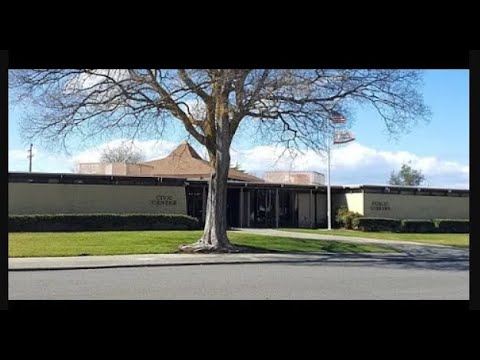
The Willows City Council reviewed a proposed 25-year power-purchase agreement (PPA) from TriNary for rooftop solar arrays at the Willows Civic Center and the Willows Fire Station and agreed to continue the item to a future meeting so outstanding technical and contract questions can be resolved.
City staff introduced the item and said the Civic Center array is proposed at 46.75 kilowatts and the fire station at 37.44 kilowatts. Joe (city staff) explained a side letter requires the roof to be replaced before installation and that the initial PPA rate would start near $0.18 per kilowatt-hour, escalating 3% annually over the 25-year term. In comparison, staff cited examples of PG&E bundled and peak rates used in the staff report for cost comparisons.
Michael Manello, chief banking officer with TriNary, appeared by video and answered detailed contractor and technical questions. Council members and staff pressed TriNary on contract language and missing definitions, including a missing defined “degradation factor” referenced in the production guarantee, differences between exhibits (a force majeure insertion of the word “reasonable” in one exhibit and not the other), how interconnection costs were treated in the agreement, and what reimbursement a city would receive if the system produced less energy than guaranteed.
TriNary and staff said interconnection costs were included in project budgeting (the combined budget for three projects and a reroof was cited at about $280,000) and that industry-standard panel degradation is commonly modeled around 0.5% per year; TriNary acknowledged the degradation term needed to be defined in the contract. On production guarantees, TriNary explained the agreement uses a 36-month rolling measure and that the true-up payment is tied to the PPA price rather than the city’s avoided utility cost, meaning the city would not necessarily be fully reimbursed for replacement energy purchased from the utility.
Council members also asked about operations and maintenance, monitoring and alarm procedures (TriNary said systems provide real-time diagnostics and monitoring and that the provider would generally know of outages before the city does), insurance and liability limits for equipment housed under the arrays (for example, fire trucks), expected installation timelines (TriNary estimated construction complete and producing within about six to nine months under favorable conditions), and warranty and assignment provisions should a long-term owner or successor fail.
City Attorney Carolyn Walker Hill and the city manager said they had reviewed the contract; Carolyn noted partner Sean Cameron at the city’s law firm had worked on contract details. After extended discussion the council did not vote on the PPA. Instead the mayor and several council members said the substantive unresolved contract items warranted more work and asked staff to return the item with written answers and contract edits. City staff recommended continuing the item and the council agreed to continue consideration, aiming to bring the clarified contract and responses back at a near-term meeting (staff said they would try for the Feb. 11 meeting but might need until Feb. 25 or March).