Get Full Government Meeting Transcripts, Videos, & Alerts Forever!
Get email alerts on the Budget And Finance topic
No spam. Unsubscribe anytime.
Commissioners debate use of one‑time funds, contracting models and workforce sustainability
Summary
At a briefing, commissioners and staff discussed whether to deploy one‑time county funds now to address urgent needs and explored how contracting, provider wages and staffing affect service delivery and program outcomes.
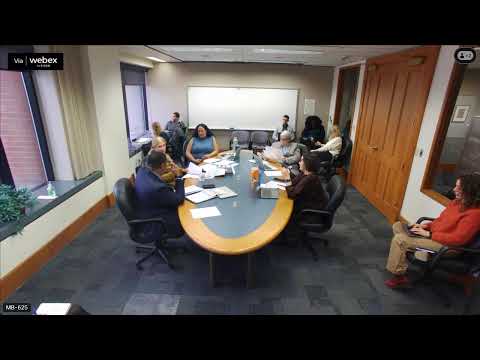
Multnomah County commissioners used a work session to debate whether the county should reallocate existing one‑time funds to immediate needs such as shelter and services or preserve them as working capital during a multi‑year budget forecast.
Some commissioners urged using available one‑time dollars now to respond to urgent needs on the streets, citing examples such as ARPA interest and other unspent allocations. Those speakers argued certain one‑time investments — for example capital costs for shelters or short‑term rent assistance — can produce measurable near‑term effects. Other commissioners and budget staff cautioned that the county’s financial policy treats unspent year‑end dollars as part of working capital and that using them outside the budget cycle carries risks: the county must maintain reserves for multi‑year revenue uncertainty and for expected collective‑bargaining costs.
Budget staff said the county will publish year‑end spending reports and a department‑level accounting of underspending; staff offered to brief the commission on where one‑time funds remain and how the county’s financial policies treat unspent dollars. Commissioners asked for a public discussion of tradeoffs between immediate one‑time uses and preserving working capital for future budget stability.
Commissioners also highlighted contracting practices that affect providers’ financial health. One concern raised was that fee‑for‑service or reimbursement models disadvantage small providers that cannot access lines of credit; commissioners asked staff to examine alternative contracting models used in other jurisdictions that provide greater sustainability for nonprofit partners. Several speakers emphasized workforce pressures: providers report high turnover and difficulty recruiting for behavioral‑health, homeless‑services and related jobs, and commissioners said wage levels and contract terms are key constraints on service expansion.
Ending
Budget staff agreed to circulate year‑end spending details and to work with commissioners on a public discussion of options for one‑time funding, contracting approaches and workforce strategies.