Get Full Government Meeting Transcripts, Videos, & Alerts Forever!
Get email alerts on the Homelessness And Behavioral Health topic
No spam. Unsubscribe anytime.
New commissioners press homelessness, behavioral‑health and shelter strategy as top priorities
Summary
Several Multnomah County commissioners identified homelessness, behavioral health system changes, shelter strategy and workforce pathways as top priorities and urged coordinated action with cities, Metro and state partners.
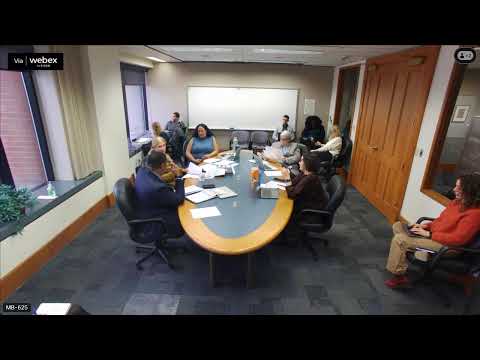
Several newly seated Multnomah County commissioners told colleagues at a work session that homelessness and behavioral‑health response must be county priorities for 2025, and they urged the board to develop clearer targets and coordinated strategies with partner jurisdictions.
Commissioner Moyer (District 1) and other commissioners said they want the county to focus on pathways off the streets, stabilize supportive housing funding and develop accessible shelter models that connect people to services. Commissioners discussed two distinct shelter approaches — short‑term overnight shelters versus 24‑hour, housing placement‑focused sites — and said the county should identify the right mix for expected outcomes and costs.
Several commissioners raised the need to better integrate Medicaid funding and partnerships with coordinated care organizations so providers can bill for higher levels of service. Commissioners pressed for an expanded continuum of behavioral‑health services, including a greater number of intensive, recovery‑oriented placements and permanent supportive housing to prevent people from cycling back into homelessness after detox or treatment. One speaker identified a specific operational target: bringing 13 sobering beds online this spring and advancing a longer‑term plan for permanent sobering and crisis‑stabilization facilities to avoid service delays in 2026.
Commissioners also discussed prioritizing services for youth exiting foster care as an upstream investment to prevent future chronic homelessness, and they urged the county to work closely with the City of Portland and Metro on the county’s supportive housing services (SHS) funding and the city’s sheltering plan.
Transportation and workforce initiatives emerged as policy complements: commissioners said local infrastructure projects can support job pipelines into trades and living‑wage employment while rent assistance or anti‑poverty supports can help residents remain housed as they secure employment.
Commissioners noted overlapping interests across districts and asked staff to create a work plan with measurable targets and periodic check‑ins so the board can monitor progress. Several commissioners said they wanted subpopulation‑specific performance goals so success for prevention, chronic homelessness and other groups can be measured separately.
Ending
The board agreed to fold homelessness and behavioral health priorities into an early‑year work plan and to seek closer coordination with cities, Metro and state partners on funding and service design.