Get Full Government Meeting Transcripts, Videos, & Alerts Forever!
Get email alerts on the Public Safety Impairment topic
No spam. Unsubscribe anytime.
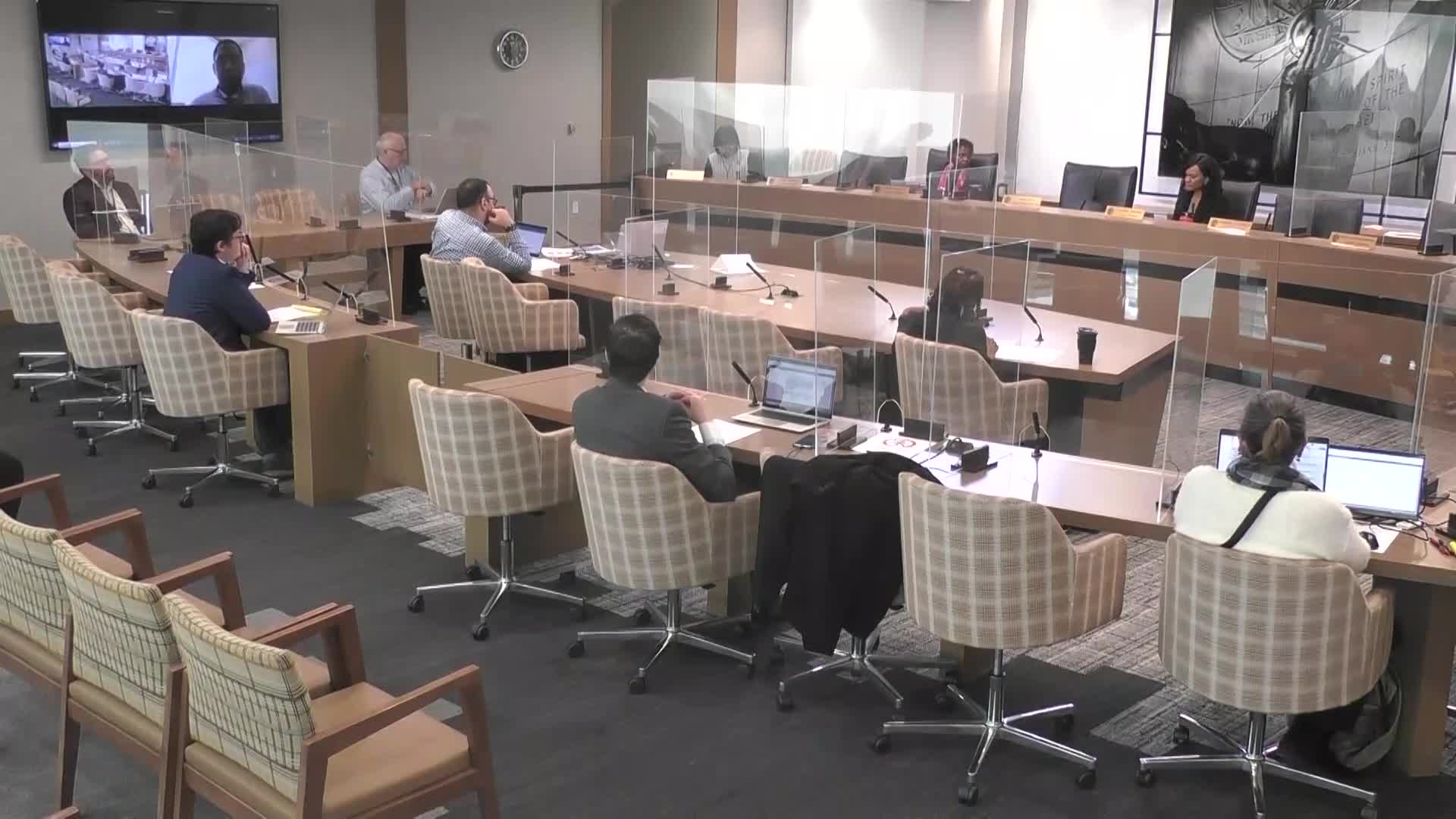
Council questions DPD on field sobriety tests and how marijuana impairment is assessed
Summary
Committee members asked Detroit Police Department officials to clarify how officers establish probable cause for impairment, whether field sobriety tests and breath tests are used differently for alcohol and marijuana, and requested follow-up guidance the public can use.
Detroit Police Department training officials told the Internal Operations Committee on Monday that officers use a sequence of steps to evaluate suspected impaired driving and that the emphasis in enforcement is on impairment, not on the specific substance.
Captain Shell, Detroit Police Department training, told committee members that officers "will go through a field sobriety test, and then to gain further information on that particular suspicion, yes, a breath test can be ordered." The captain stressed that officers take sequential steps to establish probable cause for an OWI (operating while impaired) arrest.
Attorney Graham Anderson, representing the Law Department, told the committee the legal focus should be on impairment rather than the substance behind it: "the real emphasis should be on impaired, not on the substance." He and Captain Shell explained that drivers can refuse field sobriety or breath tests, and that a variety of factors (including prescription medication) can produce impairment.
Council members pressed for more public-facing guidance. Council member Angela Whitfield Callaway asked whether the same process applies when officers suspect marijuana impairment and whether the city has clear standards to explain to residents how long after use someone may be unsafe to drive. Captain Shell deferred some technical questions to motor officers or subject matter experts but agreed to provide additional information.
Why it matters: With marijuana legal in Michigan, members said residents need clarity about enforcement and how impairment is determined. Callaway and others said they wanted the public to understand that legality of a substance does not eliminate enforcement if a driver is impaired.
Committee members asked the law department and DPD to follow up with written guidance or a report describing how officers evaluate impairment, how tests are administered, and what legal thresholds exist for alcohol and other substances in Michigan. Attorney Anderson said he would seek to report back with more detail.
No formal vote was taken on policy changes during the meeting; the discussion generated a request for follow-up educational material and potential future committee briefing.