Get Full Government Meeting Transcripts, Videos, & Alerts Forever!
Get email alerts on the Animal Welfare Pet Store Ban topic
No spam. Unsubscribe anytime.
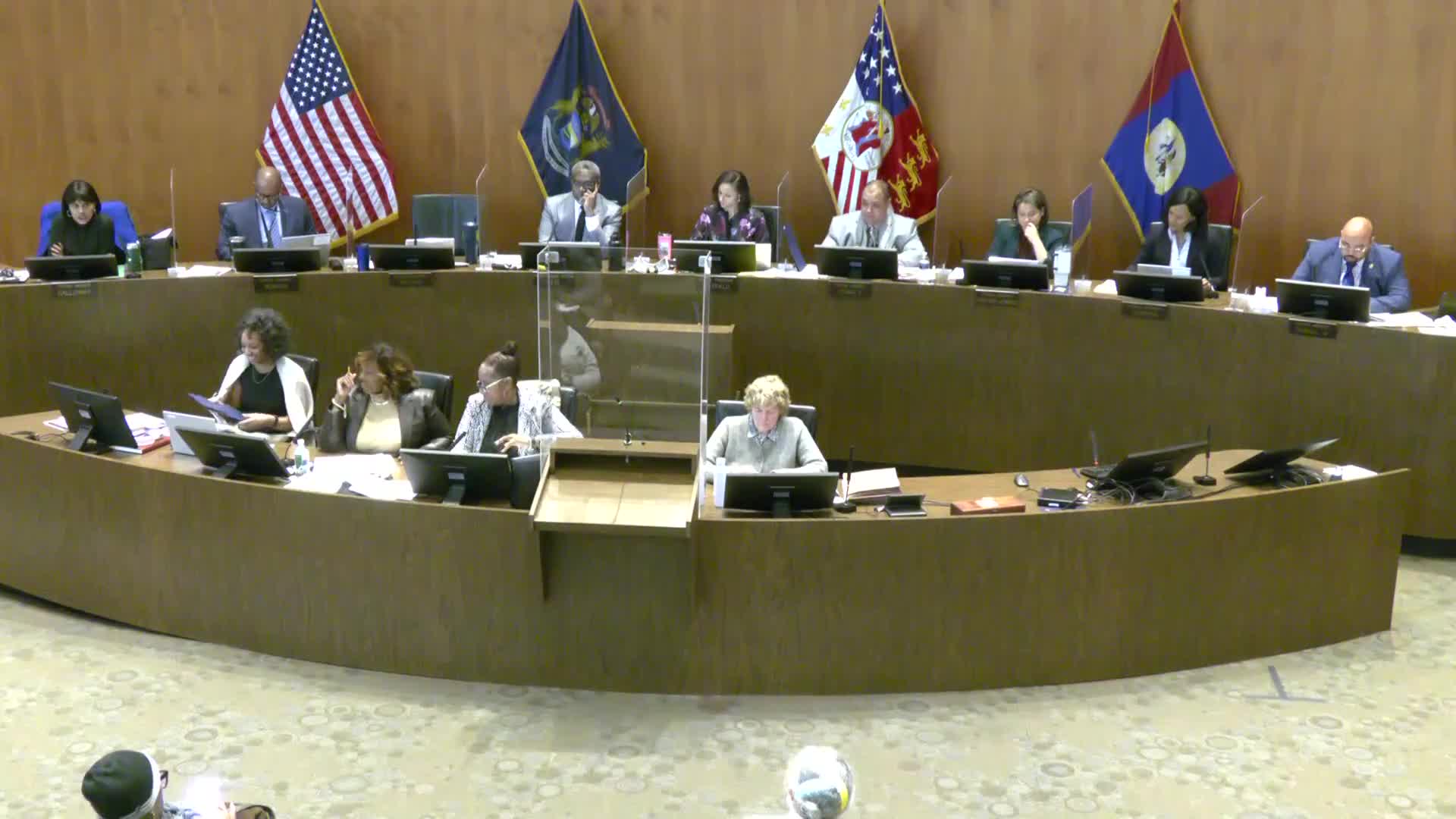
Detroit City Council bans retail sale of dogs, cats at pet stores; ordinance passes unanimously
Summary
Detroit’s City Council voted unanimously to ban the retail sale of dogs and cats in pet stores, citing concerns about puppy mills and animal welfare. Supporters said the change is preventive and preserves adoption channels; opponents urged stronger statewide regulation instead of a local prohibition.
Detroit City Council on Jan. 28 voted 9-0 to adopt an ordinance amending Chapter 6 of the city code to prohibit the retail sale of dogs and cats by pet shops within Detroit.
Supporters said the local law is a preventive step that will reduce demand for animals sourced from large commercial breeding operations commonly described as “puppy mills.” Council Member Angela Whitfield Calloway, sponsor of the ordinance, told colleagues the city can set local standards and lead by example: “We’re the largest city in the State, so we can set the barometers,” she said during debate.
The vote followed more than an hour of discussion in which animal-welfare advocates and council members described two parallel concerns: the conditions in which some commercial breeders keep animals, and the difficulty cities face policing out-of-state breeders that ship animals into retail outlets. Bridal Lefkowitz, a policy specialist with the Humane Society of the United States, told the council the federal standards for licensed breeders are minimal and enforcement is often ineffective. “Puppy mills often have hundreds of dogs kept in crates barely larger than themselves,” she said.
Opponents and some colleagues asked whether the city should instead pursue stricter licensing, inspection, or consumer-protection rules that would regulate breeders and sales rather than ban retail sales outright. Council Member Coleman Young II and Council Member Scott Vincent both raised concerns that a local ban might have unintended consequences for responsible local breeders and businesses that provide pet supplies and services. Graham Anderson from the law department and the sponsor clarified the ordinance includes carve-outs: pet stores may host adoption events and provide space for recognized shelters, rescues and foster providers to display animals for adoption.
The ordinance text reads that no pet shop “shall sell or offer for sale any dogs or cats,” and adds compliance and enforcement language allowing the department that issues business licenses to issue penalties and, for repeat violations, suspend or revoke a license. The council attached a waiver to the item at passage.
The measure’s backers said the ordinance is the first of several steps they will take; they urged state-level action to improve breeder standards and stronger enforcement at the federal level. Council Member Gabriela Santiago Romero and others said the ordinance is preventive: there are currently no puppy-selling pet stores in Detroit, but advocates want to stop inhumane supply chains from entering the city.
The ordinance passed on a roll-call vote with the following recorded "yes" votes: Scott Vincent; Fred Durhal III; Leticia Johnson; Gabriela Santiago Romero; James Tate; Mary Waters; Angela Whitfield Calloway; Coleman Young II; Mary Sheffield. A waiver was attached to the item before adoption.
The council directed staff to provide language and an implementation plan for the general services department to administer enforcement and to work with local adoption and animal-welfare groups on transition and outreach.
The city clerk recorded the ordinance as adopted; the title was confirmed without objection.
Ending: Supporters and critics both said further work is needed — particularly state or federal action to change breeder standards and enforcement — but the council’s unanimous vote makes a citywide ban the law of Detroit.