Get Full Government Meeting Transcripts, Videos, & Alerts Forever!
Get email alerts on the Regional Transit Service Changes topic
No spam. Unsubscribe anytime.
ATL to halve express commuter bus trips; agency plans fewer park‑and‑ride lots and higher seat utilization
Summary
Atlanta Region Transit Link Authority staff told the subcommittee that ATL will reduce express commuter bus service from 197 trips to 98, cut park-and-ride locations and focus remaining service on higher-utilization corridors beginning in June; the change reflects post‑COVID commute patterns and a directive in the appropriations act.
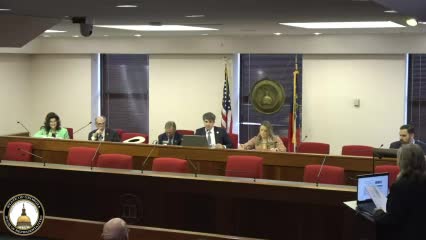
Director Janine Miller told the Transportation Appropriations Subcommittee that the Atlanta Region Transit Link Authority (ATL) plans to reduce express commuter bus service to align service with current travel demand and to produce greater seat utilization.
Miller said ATL currently operates 197 trips from 27 park-and-ride lots and 45 morning stops. She told the committee ATL plans to reduce the service to 98 trips, eliminate some leased park‑and‑ride lots and maintain at least one service option in every corridor; she said 12 of the retained trips will stop at MARTA stations. Miller described the change as a right‑sizing that will “maintain service in every corridor” while boosting utilization.
Miller summarized the projected operating effect: she said utilization on retained routes is expected to increase from about 10% of seats used today to about 56%, a projected relative increase in seat utilization that ATL presented to its board and stakeholders. The planned change, she said, follows language in last year’s appropriations act directing ATL to coordinate with local transit providers and streamline options for commuter bus service.
Miller said the reductions will come into effect in June and will be accompanied by public involvement steps and board review. She described a corridor-by-corridor plan showing which park‑and‑ride locations would be retained and which would be closed to reduce operating costs tied to leases and underutilized departures.
Why it matters: ATL operates regional commuter bus service supported in the state budget; changing weekday commuter services affects riders who rely on park‑and‑ride trips and shifts costs and coverage for agencies that coordinate regional transit.
Ending: The committee received ATL’s outline but did not take formal action; members signaled interest in ensuring preserved cross‑county connections and passenger access at remaining park‑and‑ride facilities.