Get Full Government Meeting Transcripts, Videos, & Alerts Forever!
Get email alerts on the Disaster Response Infrastructure topic
No spam. Unsubscribe anytime.
GDOT says hurricanes Helene, Debbie cost about $200 million; 719 traffic signals damaged
Summary
At a Georgia House Transportation Appropriations Subcommittee hearing, Georgia Department of Transportation officials outlined storm response from hurricanes Helene and Debbie, estimating roughly $200 million in routine-maintenance impacts, 3.2 million cubic yards of debris, hundreds of damaged traffic signals and extensive bridge and sign work.
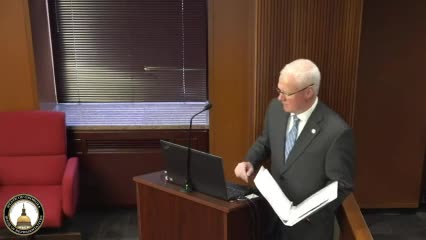
Commissioner McMurray, Georgia Department of Transportation commissioner, told the Transportation Appropriations Subcommittee that Hurricanes Helene and Debbie produced widespread damage that he estimates will cost about $200 million to address within GDOT’s routine maintenance budget.
The estimate matters because, McMurray said in his presentation, “that hurricane Helene number and, actually, hurricane Debbie combined was a little over $200,000,000,” money the agency says is needed to cover emergency repairs, debris removal and signal and sign replacement.
McMurray said GDOT has been working on multiple response fronts: debris removal, traffic-signal repairs, sign replacement and infrastructure/bridge inspections. He told the committee the agency had collected about 3,200,000 cubic yards of debris as of two days before the hearing and at the storm’s peak was operating 449 trucks hauling to 41 debris sites around the state.
On traffic signals, McMurray said “there were 719 signal traffic signals across the state that were damaged,” and that repairs were estimated to exceed $3 million; GDOT mobilized contractors and every available bucket truck across the state to help restore signals. On signs, he said GDOT has replaced more than 16,000 signs and performed maintenance on about 15,000 others.
McMurray described bridge-impact work: inspectors reviewed 275 bridges and 120 county bridges after Hurricane Debbie and highlighted a large box-culvert failure on State Route 169 in Tattnall County and a high-cost replacement on State Route 86 in Lawrence County that he said cost about $882,000 and was reopened to traffic about two months after work began.
The commissioner credited federal assistance and partnerships for limiting scope: “FEMA stepped in and allowed the core of engineers to work with cities or counties to contract for that,” he said, noting many counties are contracting for off-system road repairs and seeking FEMA reimbursement.
McMurray also summarized personnel and hours: “we had over over 1200 employees working, representing almost 56000 hours of work,” and later said the combined Helene/Debbie response totals more than 251,000 hours of GDOT employee work plus contractor labor.
Why it matters: McMurray told the subcommittee the $200 million add to routine maintenance in state general funds would make the maintenance program whole and prevent a pause in essential activities such as guardrail repair, sign replacement, pavement patching and mowing. Without the appropriation, he warned, routine maintenance work would have to be curtailed.
Committee members asked clarifying questions about how much of the emergency outlay had already been spent and how quickly state funds were needed to reimburse early response work; McMurray said “we're somewhere around a 130 to a $150,000,000 of outlay already,” and that the supplemental appropriation was intended to reimburse those expenditures and keep crews working.
The presentation moved from storm impacts into the wider GDOT budget—recapping last year’s one-time state general fund investments and new freight and local roads programs—so the committee could assess immediate repair needs in the context of capital and maintenance funding decisions.
Ending: McMurray and committee members emphasized quick deployment of funds and use of contractors to restore service. No formal vote or appropriation decision occurred at the hearing; the session consisted of presentations and committee questions.