
Planning board debates tiered site plan review bylaw, splits over municipal projects and design standards
Get AI-powered insights, summaries, and transcripts
Subscribe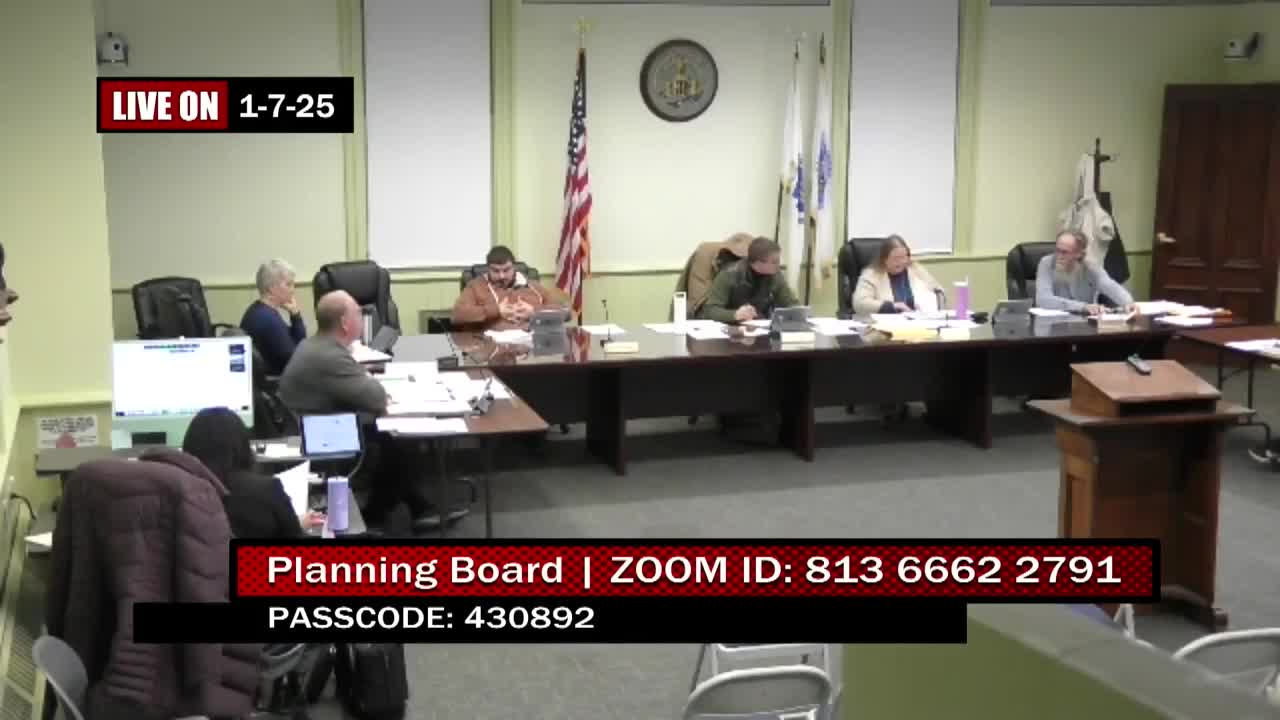
Summary
Board discussed a drafted tiered site plan review bylaw — tiers for small, medium and large projects — and debated whether municipal projects should be subject to the same review and how prescriptive design and regulation language should be.
The Middleborough Planning Board spent the bulk of its Jan. 7 meeting discussing a draft site plan review zoning amendment that would add a three-tier review structure for projects in the town's General Use (GU) zones.
Tracy Craig, planning board clerk and a member of the subcommittee drafting the text, outlined a tiered approach borrowed from other towns: a lower tier for smaller projects reviewed by staff, a mid tier reviewed by the planning board at a regular meeting, and a top tier requiring a noticed public hearing. "I basically looked at the notes that I had written down from our meetings and, using, the town of Randolph, the plan review by law. It had a really nice multi tiered process," Craig said.
Board members debated thresholds for the tiers (examples discussed included 5,000–10,000 square feet for tier 1, 10,000–15,000 for tier 2, and over 15,000 for tier 3) and whether to trigger review by change of use, parking increases or gross floor area. Several members favored square-footage triggers and keeping change-of-use language tied to tiers; staff said actual workload implications should be checked against recent building-permit activity.
A central point of contention was whether municipal and institutional projects should be subject to the same site plan review. Board members were split. "I support it," one member said in favor of including municipal structures; another said municipal projects already have separate oversight and warned of duplication and cost.
Members also discussed whether to include strong language on architectural character and "harmony" with neighboring buildings. Some favored retaining language to allow the board to request landscaping or screening to reduce neighborhood impacts; others cautioned that subjective design mandates could be unenforceable and give opponents a legal basis to challenge approvals.
On procedure, members agreed the planning board or staff should retain discretion to waive submission requirements or certain plan elements on a case-by-case basis. Staffers said routine submission materials should be standardized and that digital submissions should be the default, with paper sets provided on request.
Ending: The board agreed to reconvene with updated text; staff will incorporate the edits discussed, check permit volumes to estimate workload, and circulate a revised draft for review and possible town counsel input ahead of the Jan. 21 meeting.