Get Full Government Meeting Transcripts, Videos, & Alerts Forever!
Get email alerts on the Business Oregon Administrative Amendments topic
No spam. Unsubscribe anytime.
House Committee reviews housekeeping amendments to Business Oregon programs in HB 2348
Summary
During a public hearing, Business Oregon outlined administrative changes in House Bill 2348 intended to simplify board appointments, clarify brownfields language, broaden port fund transfers, loosen wastewater asset-management language, and remove a preschool‑promise requirement for tribal access to a child care infrastructure fund.
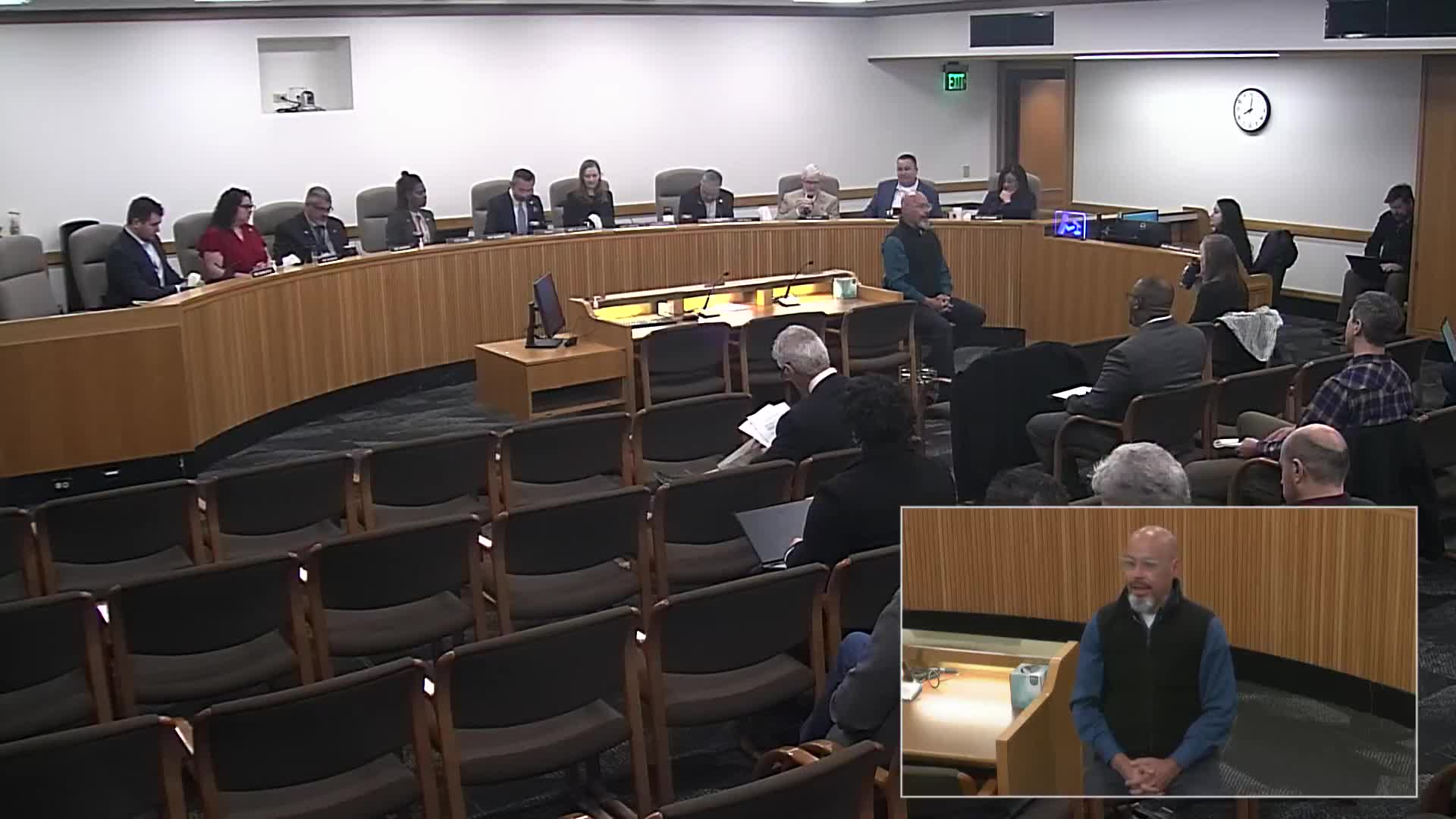
Chair Winn opened a public hearing on House Bill 2348 on Jan. 29, which would make administrative changes to multiple economic development statutes administered by the Oregon Business Development Department (Business Oregon).
Business Oregon Deputy Director Chris Cummings told the committee the measure contains a series of “housekeeping” updates intended to remove barriers to program access and simplify administration. “The changes in this bill either make it administratively easier for us to administer or for, our recipients to to utilize the program,” Cummings said.
The bill would, among other changes, simplify how members are assigned to the Oregon Growth Board so appointments align with other state commissions, remove duplicative deed‑restriction monitoring language from the Brownfields Property Revitalization Fund, allow transfers to the Oregon ports’ planning and marketing program from broader loan‑fund receipts (not just interest and repayments), and change a dredging definition so projects are not limited by the phrase “maintenance dredging.” Cummings said the wastewater fund language related to asset management would be removed to let more municipalities access dollars for pressing needs that are not part of long‑term asset management plans.
On child care infrastructure funding, Cummings said tribal communities were previously eligible only if they participated in Preschool Promise; HB 2348 would remove that limitation. “We had three tribal communities apply in our last round, but the fact is is we want to make tribal communities eligible just like every other municipality or community in the state,” he said.
Committee members asked clarifying questions about whether any stakeholders opposed the changes and whether other communities had been unintentionally excluded by previous statutory language. Cummings said Business Oregon had spoken with stakeholders and had not heard opposition, and that the agency learns about unintended exclusions through application rounds; the department has completed one round so far for the child care infrastructure funding and will continue to refine eligibility and scoring through rulemaking and future rounds.
Chair Winn closed the public hearing on HB 2348 after questions and then opened a hearing on another bill.
The hearing record contains only testimony and committee questions; no committee votes or final actions on HB 2348 were recorded in the transcript.