Get Full Government Meeting Transcripts, Videos, & Alerts Forever!
Get email alerts on the Public Health Opioids topic
No spam. Unsubscribe anytime.
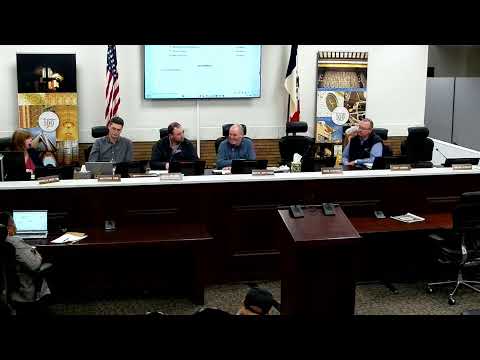
Board funds public‑health data analyst using opioid settlement, approves multi‑year payment plan
Summary
The Woodbury County Board of Supervisors approved $145,636 in opioid‑remediation settlement funding for a Siouxland District Health Department data analyst post, with additional $35,000 annual contributions from United Way and the Helios Foundation; the board voted 5‑0.
The Woodbury County Board of Supervisors voted unanimously to provide $145,636 in opioid‑remediation settlement funds to the Siouxland District Health Department to create a public‑health data analyst position.
Siouxland District Health Department presenter Kevin Green told the board the position is meant to build a baseline measurement system for opioid prevalence and treatment outcomes in Woodbury County and to support the department’s community health assessment. "We do not have a distinct measurement system for the prevalence and abuse of opioids within the community and we think that is something that when you're looking at doing settlement dollars and prevention, we need to have a baseline," Green said.
The department originally requested $215,895 but, after board discussion about sustainability and cash‑management options, Supervisor Nelson moved a funding plan the board adopted. The motion, seconded by Supervisor Benjamin, allocated $145,636 to be paid as a lump sum covering five months in fiscal year 2025 plus fiscal years 2026–27. The vote was 5‑0.
Why it matters: county leaders said they want data to measure program results before committing larger recurring amounts. Green said the analyst would fold opioid responses into the three‑year community health assessment and support local planning work with law enforcement, health providers and other stakeholders. He also said United Way and the Helios Foundation are each committing a combined total of $35,000 per year to the position, which the department expects will cover roughly half of the role’s cost in early years.
Board members asked how the position would be funded after the settlement dollars run out. Green said the health department would seek state and local public‑health funding and reallocate existing public‑health funds if needed. County Auditor Michelle Scaff and county staff outlined cash‑management options including paying the funds annually so they remain in the segregated opioid fund and continue to accrue interest. Auditor Scaff later confirmed the county is required to keep opioid settlement money segregated by code.
The county recorded that the position would be approximately 0.66 FTE under the funding plan. The board’s motion to fund the adjusted three‑year plan passed unanimously. The board and the health department said they will monitor performance and pursue additional grants or local funding to sustain the role if needed.
Ending: The health department said it has Board of Health approval to add the position and will proceed with hiring if the funding is available. The county will track how the settlement money is moved and spent to ensure it remains in the segregated opioid fund and complies with statutory requirements.