Get Full Government Meeting Transcripts, Videos, & Alerts Forever!
Get email alerts on the School Health Safety topic
No spam. Unsubscribe anytime.
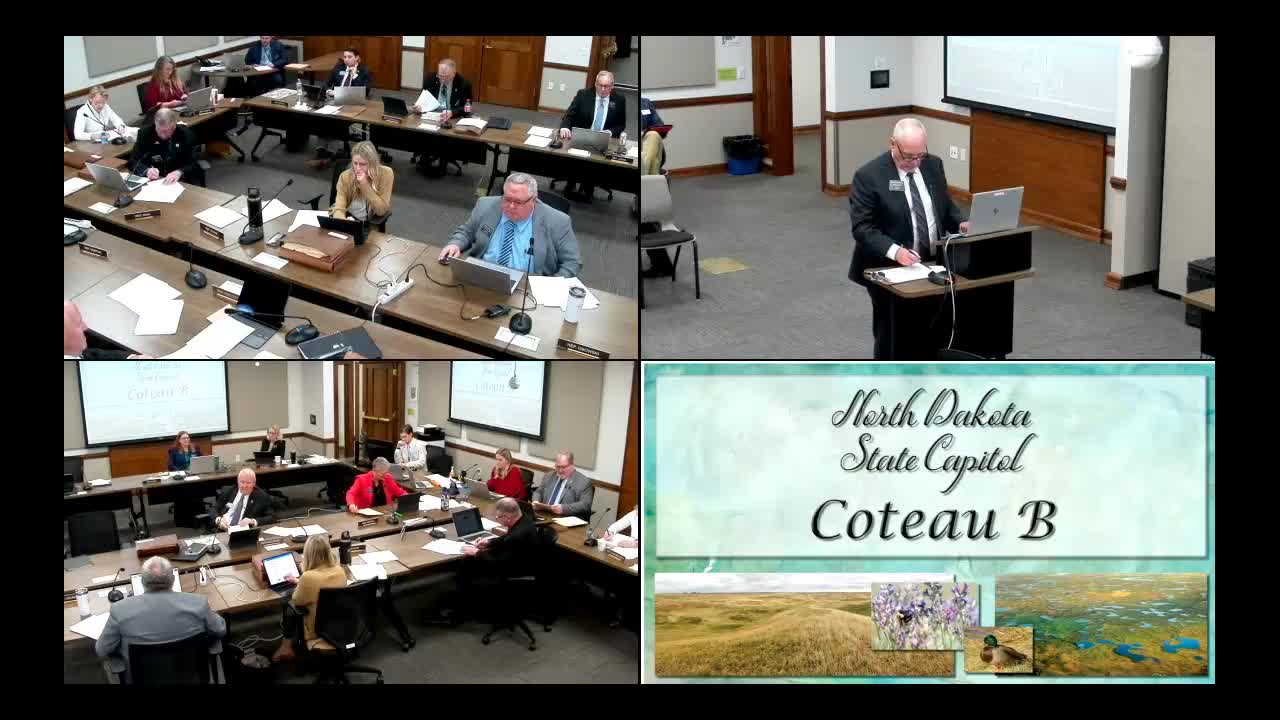
Committee hears bill to require high schools to offer CPR training to students
Summary
HB1376 would require high schools to offer cardiopulmonary resuscitation (CPR) training to students; backers said training is hands-on, widely available through nonprofits and could be integrated into existing courses, while questions remain about implementation and cost.
House Bill 1376, introduced by Representative Glenn Bosch, would require each high school to offer certified cardiopulmonary resuscitation (CPR) training to students. Supporters told the House Education Committee the training is a practical life skill that can increase survival from cardiac arrest and is already included in some schools’ classes.
Bosch said the bill "simply makes high schools responsible for offering training to students in whatever manner they choose," noting existing flexibility in how schools deliver the training. He also pointed the committee to a fiscal note estimating costs (the fiscal note used a worst-case assumption the committee heard could overstate actual costs).
Supporters included Sean Ulrich, a constituent who testified she wanted students to leave school equipped with "real life skills" and to avoid the habit of bystanders filming emergencies rather than acting. Amy Heuer of NDShape, a retired teacher and American Heart Association volunteer, told the committee the state’s physical-education standards adopted in 2024 expect students to "demonstrate competency in performing cardiopulmonary resuscitation and associated skills," and that certification classes typically take about 2½ to 3½ hours. Tony Burke of the American Heart Association said hands-only CPR and AED use are straightforward to teach and that increased bystander training would improve survival in rural communities where first-responder response times can be long.
Committee members raised operational questions: could training be offered as part of health or PE classes, should the program be limited to high schools or extended to middle schools, whether the time requirement should be annual or every two years, and whether offering certification should be tied to course credit. Sponsor Bosch said he did not want to impose additional reporting burdens on schools or create extra administrative work and was open to flexible implementation.
Why it matters: testimony cited research and practical experience that prompt bystander CPR and AED use improves survival from sudden cardiac arrest, and supporters said classroom-based certification would create more trained bystanders statewide.
Next steps: the committee heard a series of supportive testimonies and closed the hearing; details on funding, frequency and whether the requirement should extend to middle schools remain open for amendment.