Get Full Government Meeting Transcripts, Videos, & Alerts Forever!
Committee debate focuses on Social Security solvency, retirement ages and proposals to raise revenue or expand work
Summary
Senators and witnesses disputed drivers of Social Security solvency concerns—some pointing to federal spending and deficits, others to low labor participation or calls to ‘blow the cap’ on taxable earnings—while agreeing any changes would materially affect seniors’ incomes.
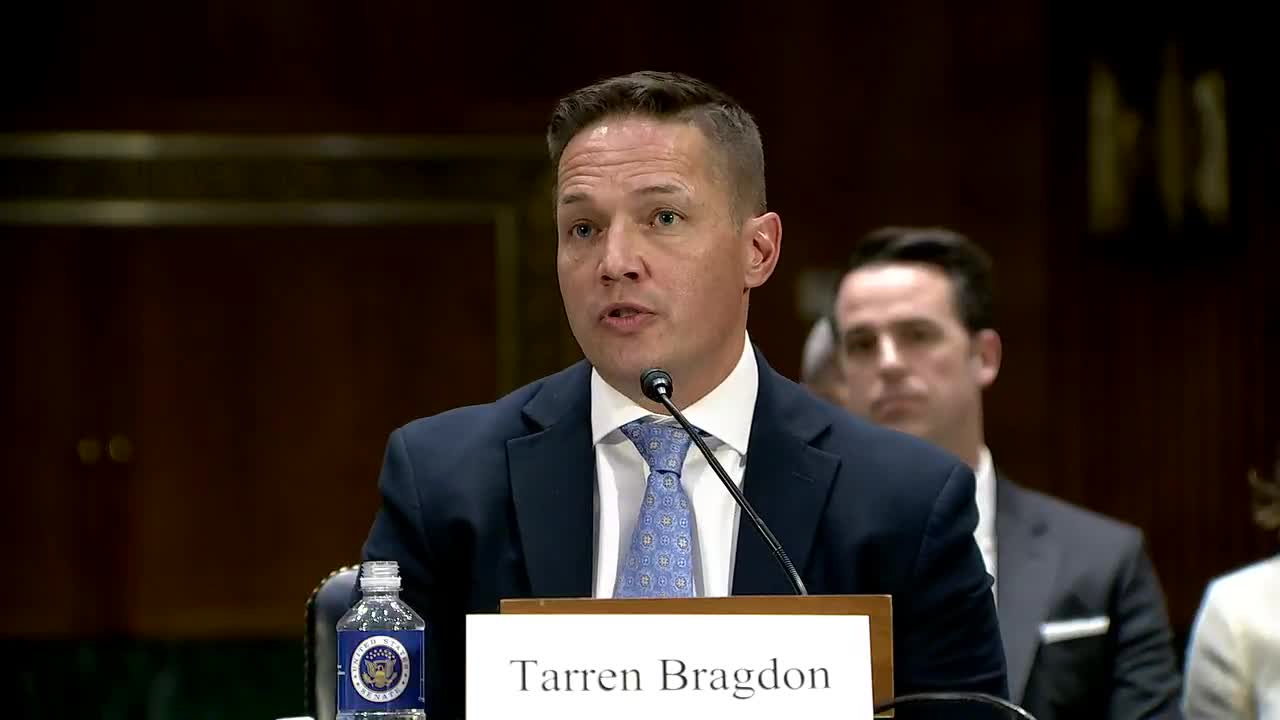
Questions about Social Security’s financing and demographic pressures were a major thread at the Senate Special Committee on Aging hearing.
Alex Lawson warned lawmakers that proposals to cut Social Security benefits would push millions of older adults into poverty. “People would be harmed. People would die. People would be pushed into…
Already have an account? Log in
Subscribe to keep reading
Unlock the rest of this article — and every article on Citizen Portal.
- Unlimited articles
- AI-powered breakdowns of topics, speakers, decisions, and budgets
- Instant alerts when your location has a new meeting
- Follow topics and more locations
- 1,000 AI Insights / month, plus AI Chat