Get Full Government Meeting Transcripts, Videos, & Alerts Forever!
Committee hears testimony that Medicare negotiation and drug caps can ease seniors’ costs; witnesses clash over industry influence
Summary
Witnesses and senators discussed the Inflation Reduction Act’s drug negotiation provisions and caps (including insulin and an annual out‑of‑pocket cap for Medicare beneficiaries), with witnesses saying expanded negotiation and price caps reduce seniors’ trade‑offs between medication and other essentials.
Multiple senators and witnesses at the Special Committee on Aging identified high prescription drug prices as a central driver of seniors’ cost burdens and discussed recent federal steps and possible expansions.
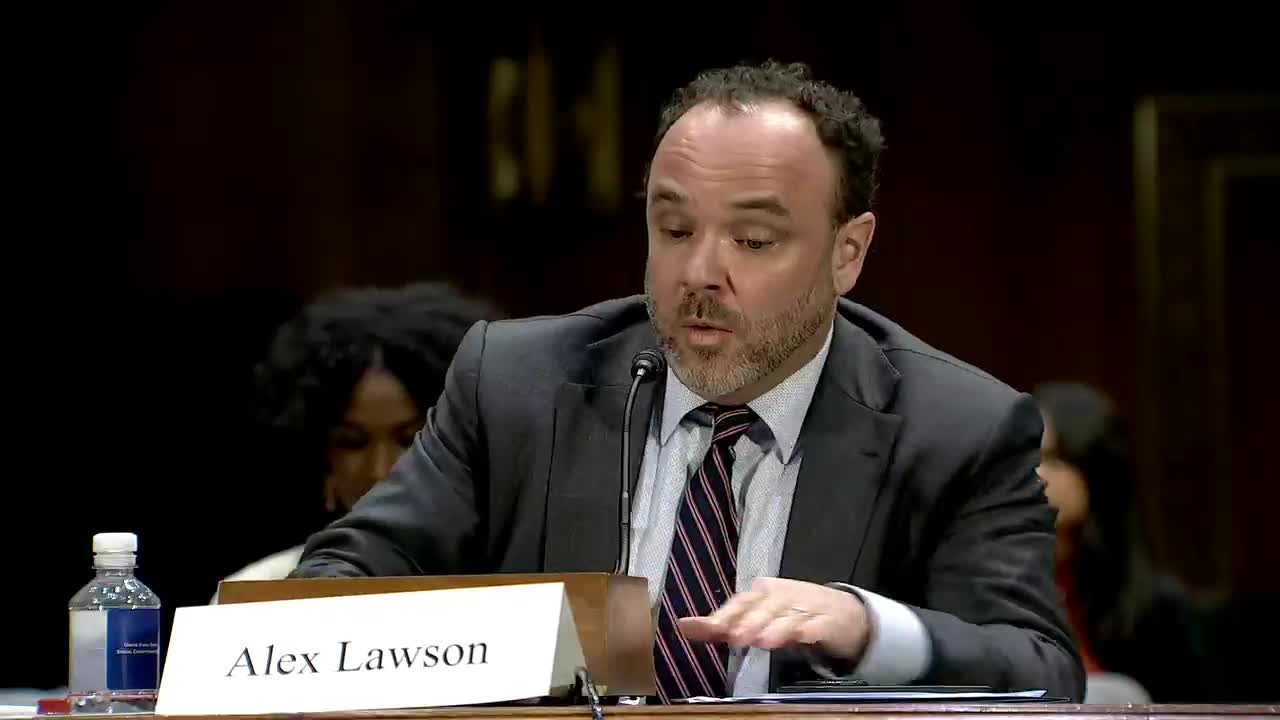
Alex Lawson highlighted the Inflation Reduction Act’s tools and said the law helps but can go further: lawmakers could expand negotiation authority to…
Already have an account? Log in
Subscribe to keep reading
Unlock the rest of this article — and every article on Citizen Portal.
- Unlimited articles
- AI-powered breakdowns of topics, speakers, decisions, and budgets
- Instant alerts when your location has a new meeting
- Follow topics and more locations
- 1,000 AI Insights / month, plus AI Chat