Citizen Portal
Sign In

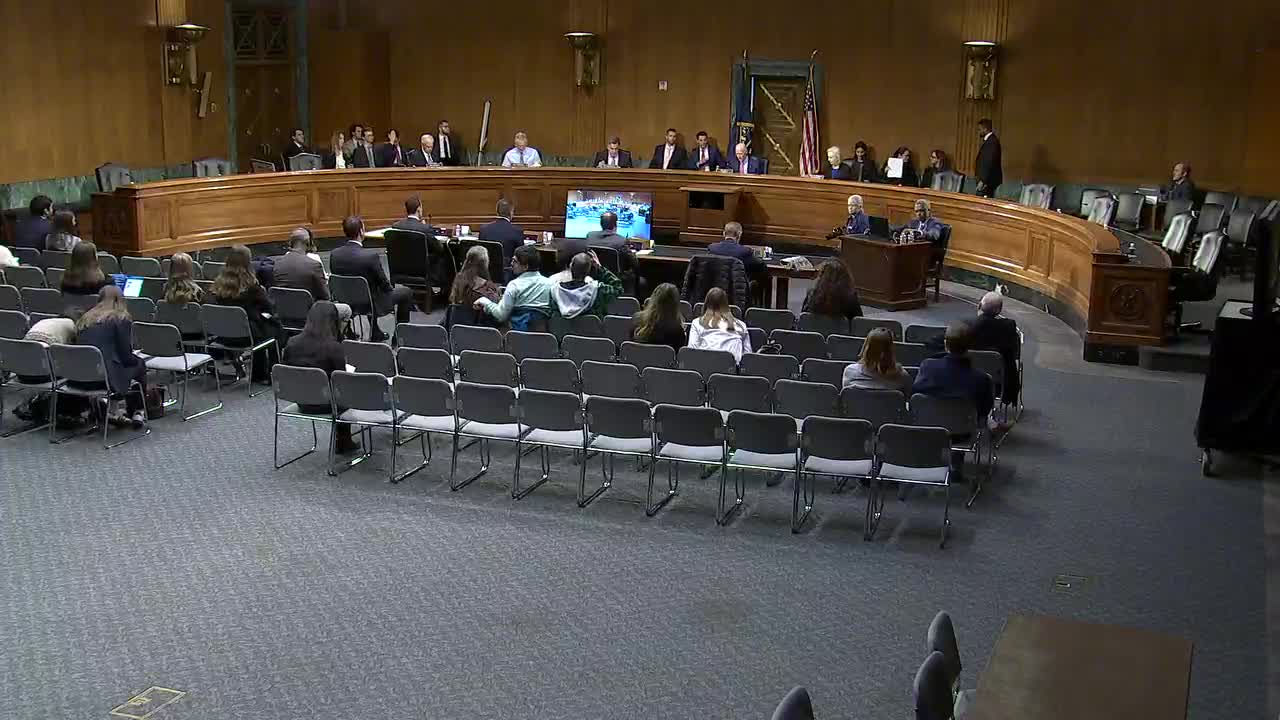
Senate Aging Committee: Members, economists tie recent inflation to federal spending and warn seniors are bearing the cost

2165955 · January 29, 2025

Loading...

AI-Generated Content: All content on this page was generated by AI to highlight key points from the meeting. For complete details and context, we recommend watching the full video. so we can fix them.

Summary

At a Senate Special Committee on Aging hearing, lawmakers and witnesses linked recent high inflation to pandemic-era and subsequent federal spending, stressing that seniors on fixed incomes face disproportionate harms and outlining competing policy responses.

Senator Tim Scott, chairman of the Senate Special Committee on Aging, opened a committee hearing saying inflation “has been a serious issue plaguing American families and their seniors over the past 4 years.”

The hearing brought economists and advocates who described how inflation and rising interest rates have reduced seniors’ purchasing power, shrunk retirement-account values and raised the cost of long-term care and medicines.

The committee’s first witness, Mr. Ferri, identified excessive demand produced by large federal deficits and pandemic-era spending as a major driver of 2021–22 price surges. “The third of those, the $1,900,000,000,000 American Rescue Plan, was too much money at precisely the wrong time,” Ferri said, saying that surge in demand collided with restrained supply and pushed consumer prices higher.

E.J. Antoni, a public-finance economist at the Heritage Foundation, described the combination of large fiscal deficits and Federal Reserve accommodation as a monetary and fiscal cause of rising prices. “This runaway spending was primarily financed by the Federal Reserve literally creating money for the Treasury to spend,” Antoni said, adding that rapid interest-rate increases have also reduced the market value of fixed-income assets that many retirees hold.

Alex Lawson, executive director of Social Security Works, framed the issue around the immediate consequences for older adults. “These rising prices hurt older Americans endangering their ability to afford food, housing, prescription drugs, and they want Congress to take action,” Lawson said, highlighting calls for stronger Social Security adjustments and lower drug costs.

Witnesses and senators advanced competing policy prescriptions. Several speakers urged sharp reductions in federal spending, tighter budget targets and deregulation to reduce cost pressures and interest costs. Ferri and Antoni said cutting deficits would ease inflationary pressures and lower interest costs over time. Other witnesses and Democratic senators argued the focus should be on targeted consumer protections—stronger cost‑of‑living adjustments, measures to lower prescription drug prices and maintaining safety‑net programs for older adults.

The committee’s exchange reflected persistent disagreements over cause and cure: some witnesses emphasized fiscal restraint and trade policy to boost domestic supply, while others emphasized protecting benefits and using federal authority to lower prices for essentials. Lawmakers repeatedly returned to the central point that seniors on fixed incomes are especially vulnerable to price shocks and interest‑rate increases.

The hearing record will remain open for submitted questions and materials. No committee votes were taken during the hearing.