Get Full Government Meeting Transcripts, Videos, & Alerts Forever!
Get email alerts on the Childcare topic
No spam. Unsubscribe anytime.
Alaska Health Department rolls out child‑care pilots, licensing changes and a new information system
Summary
The Department of Health described steps from a governor’s child‑care task force report: a new Alaska childcare information system, a live‑scan fingerprint pilot in rural communities, expanded license types, workforce support positions, and startup grants funded through federal preschool development dollars.
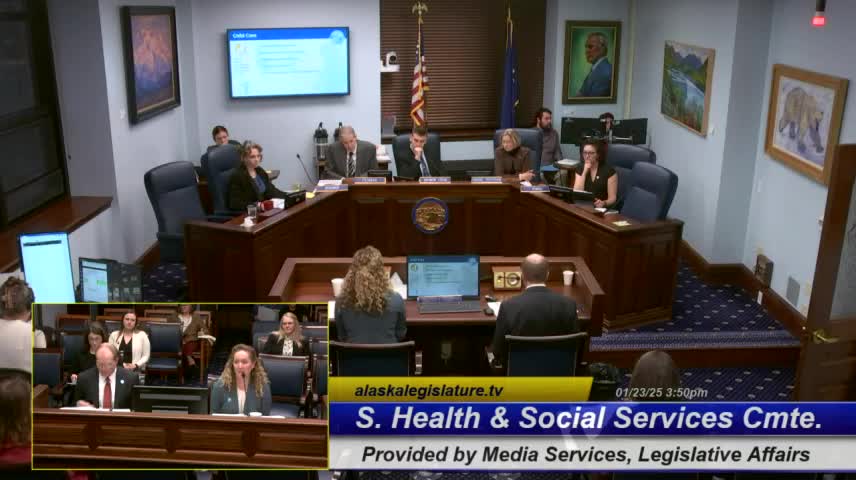
Commissioner Heidi Hedberg told the Senate Health and Social Services Committee on Jan. 23 that childcare reforms from the governor’s task force are moving into implementation.
The department launched a new Alaska childcare information system with three portals — parents applying for subsidies, childcare providers for licensing, and staff — and said a public rollout will follow an internal launch. Hedberg said the task force produced two reports with 56 recommendations; 13 have been implemented and 21 are underway.
Nut graf: The initiatives aim to increase access and reduce cost drivers (including facility rental) by expanding licensing options, speeding background checks and offering startup and coaching funds. The department said the measures are intended to expand subsidy use and stabilize the childcare workforce.
What’s being done: Hedberg said the department purchased live‑scan fingerprinting equipment and will pilot expedited background checks in four rural communities. The department will explore a new license category, described as “friends, families and neighbors,” to allow caregivers in areas with few licensed providers to accept subsidy payments after meeting health and safety standards.
Hedberg said only about 20% of families who would qualify for childcare subsidy currently take advantage of it; the department hopes the licensing changes, process improvements and a geographic income differential for subsidy eligibility will increase access. The department also plans workforce supports, including at least one position to liaise with employers to develop on‑site or near‑site child care and to promote business‑sector solutions.
Funding and supports: The department expects to use preschool development grant funds for coaching and startup support, including training childcare providers to manage children with behavioral‑health needs. Hedberg said the department will pilot use of vacant state buildings or school classrooms to reduce provider rental costs and possibly redirect revenue to support provider wages.
Ending: Hedberg said these steps are early implementations of the task force recommendations and will be phased as systems and pilot results permit.