Get Full Government Meeting Transcripts, Videos, & Alerts Forever!
Get email alerts on the Animal Ordinances topic
No spam. Unsubscribe anytime.
Laredo advisory committee forms subcommittees to review animal ordinances including Chapter 6 cruelty rules
Summary
Members of the Laredo Animal Advisory Committee voted to form subcommittees to review city animal ordinances, prioritize changes (including cruelty, exotics and tether rules), and coordinate with legal and police before sending revisions to city council.
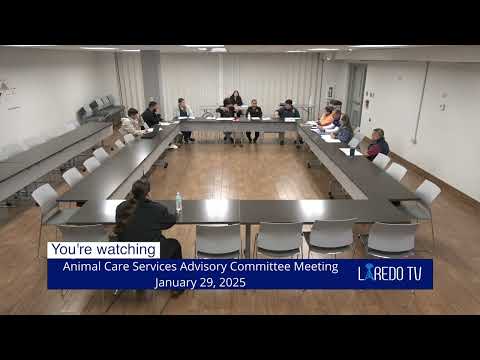
The Laredo Animal Advisory Committee voted to form subcommittees to review and propose updates to the city’s animal ordinances, with a focus on cruelty provisions in Chapter 6 and related sections.
The action came during a regular committee meeting when members agreed to divide the ordinance text into sections and assign small teams to research best practices from other jurisdictions, draft suggested language and return recommendations to the full committee. Committee members were asked to email their preferred sections to staff for assignment and coordination once an elected chair is in place.
The move is intended to give the public a formal role in revising the ordinances. Rosalie, operations manager at the city shelter, told the committee she wants community input and recommended members "come up with, like, your top 5 sections of the ordinance that you want to go through first," so staff can present focused drafts for legal review. The committee’s discussion repeatedly emphasized that any draft changes must be vetted by city legal counsel before being forwarded to the council.
During the meeting committee members noted several changes already under way at the council level. Committee members said a council first reading had introduced stricter limits on exotic animals within city limits and adjusted tether-length language after staff judged a 10-foot tether standard inappropriate. The committee discussed the practical limits on enforcement and noted that, in many cases, the removal of animals for non-imminent danger requires a judge-signed seizure warrant or court order.
A motion to proceed with subcommittees passed without a recorded roll-call tally; members agreed staff would collect volunteers by email and formalize assignments when a chair is elected. Committee members and staff also discussed coordinating with police on cases that rise to misdemeanor or felony levels so investigations and seizures are documented for court action.
The committee agreed to prioritize cruelty-related sections first, then other topics such as shelter definition, holding practices and any fee-schedule recommendations for referral to city council. Staff reiterated that fee schedules are set by council and that the committee can only make recommendations.
The adoption of the subcommittee approach is intended to speed the review process by allowing members to review smaller sections in more detail and present consolidated recommendations for legal review and public input.
The committee recorded the motion as approved and moved to other agenda items.