Get Full Government Meeting Transcripts, Videos, & Alerts Forever!
Get email alerts on the Homelessness Public Safety topic
No spam. Unsubscribe anytime.
Council hears update on homelessness, fentanyl response and VIVA violence‑interruption; directs code review to address Prop 312 exposure
Summary
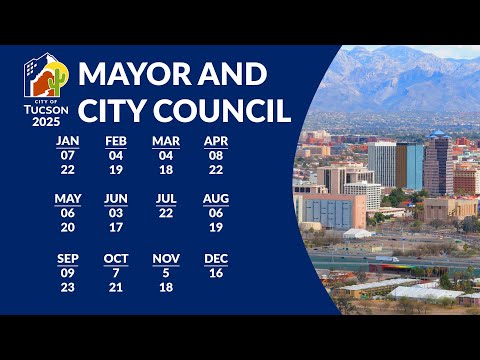
City managers and public safety staff on Jan. 22 updated Mayor and Council on coordinated efforts to support people experiencing unsheltered homelessness, expand low‑barrier shelter capacity, and use the VIVA place‑based violence interruption approach to reduce gun violence and revitalize neighborhoods.
City managers and public safety staff on Jan. 22 updated Mayor and Council on coordinated efforts to support people experiencing unsheltered homelessness, expand low‑barrier shelter capacity, and use the VIVA place‑based violence interruption approach to reduce gun violence and revitalize neighborhoods.
What was presented: City Manager Tim Tamir introduced Brandy Champion, recently appointed community safety program director, and Justin Hamilton, the city’s Encampment Resource Coordinator. Housing First staff reported that the program has served more than 2,000 individuals and families through outreach, shelter, and permanent supportive housing; several low‑barrier shelters operate today, including Wildcat Inn and Desert Cove, and the city plans to open a 70‑bed congregate shelter at the former Fire Station 8 (the Housing Resource Center) by March 1, 2025.
VIVA and place‑based strategy: Tucson Police described VIVA (Violence Interruption and Vitalization Action) as a data‑driven, cross‑departmental effort to reduce concentrated gun crime and revitalization of targeted corridors. Police said the first VIVA site (62/100 South Campbell) is in a maintenance phase; staff expressed optimism about advancing other sites to maintenance this year. Police emphasized that VIVA combines targeted enforcement, community engagement and environmental improvements and that homelessness is among the factors that can intersect with public‑safety challenges in some corridors.
Opioid and treatment efforts: Speakers noted work to expand detox and medication‑assisted treatment options and to partner with Pima County on public‑health responses to fentanyl and opioid misuse. Councilmembers and staff discussed the need to scale treatment and alternatives to incarceration and to coordinate services at key moments when people are receptive to help.
Shelter and housing pipeline: Staff reported ongoing placements at permanent supportive housing projects (Milagro, Oracle, Sugar Hill and others), construction starts for 30 supportive units at an Amazon site, and plans to consider safe‑parking options. Housing First operates low barrier shelter that admits people with pets and property; Operation Deep Freeze protocol and temporary motel arrangements were summarized.
Council actions and code review: The city attorney explained legal exposure under Proposition 312 — a new state law creating a taxpayer reimbursement claim process tied to a city’s “policies or practices” on enforcement — and asked council for direction to remove or clarify outdated ordinances that could be asserted as examples of non‑enforcement. Council moved, seconded and approved a motion directing the city attorney to prepare code clean‑up items and return them to Mayor and Council for consideration. The motion passed.
Ending and next steps: Councilmembers emphasized the need for cross‑jurisdictional partnerships (county health and courts) and sustained investment in shelter, housing, detox and community safety staffing. Staff said regular reporting will continue to Public Housing Authority and to council, and the manager noted ARPA and other funding reallocation that had accelerated shelter plans.