Get Full Government Meeting Transcripts, Videos, & Alerts Forever!
Get email alerts on the Budget Finance topic
No spam. Unsubscribe anytime.
Tucson staff outline FY26 budget approach; council approves ward allocations
Summary
City staff presented a mid‑year FY25 status report and early FY26 planning assumptions, including state revenue projections, health insurance concerns and a calendar for the FY26 budget. Mayor and Council voted to approve ward framework allocations and noted major near‑term budget uncertainties.
City staff on Jan. 22 delivered a fiscal update covering the second quarter of fiscal 2025 and the opening phase of FY26 budget planning, and Mayor and Council approved framework allocations for mayor and ward offices.
What staff reported: Assistant City Manager and CFO Anna Rosenberry and business services staff told council that at midyear both revenues and expenditures in the unrestricted general fund were roughly on budget; the city had collected about 50% of budgeted revenues as of Dec. 31. Sales tax receipts through December were up 7.38% year over year for the same reporting period. Departments had spent about 45% of the unrestricted general fund budget as of the half year mark.
FY26 assumptions and risks: Rosenberry said the state’s most recent forecast projects a 6.5% decline in state income tax revenues for FY26, an improvement over earlier guidance; staff recommended conservatively modeling a 7.5% reduction in state shared revenue in the five‑year forecast. The city noted potential upward pressure from employee benefits costs and vacancy savings declining as positions are filled. She said staff expect to present a recommended compensation plan in April and to bring the FY26 recommended budget to council on April 22.
Ward allocations and action: Council considered updated ward framework balances and allocations (including an additional $200,000 per office drawn from a community partner investment pool). After brief discussion, the council voted to approve the described allocations and directed staff to continue standard purchasing and agreement processes for use of those funds. The motion to “approve the allocations as described in today's presentation” carried by voice vote.
Housing and other funding matters: Rosenberry and housing staff briefed council on the Housing Asset Managed Properties fund and the city’s efforts to recover a “troubled” HUD status for the public housing program; staff described asset repositioning, increased monitoring and an application for HUD shortfall funding of approximately $900,000 per year.
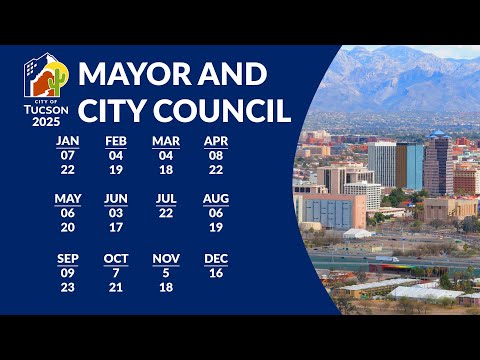
Calendar and next steps: Staff said they will return with a five‑year general fund forecast at the Feb. 4 study session; the planned budget calendar includes an April 22 manager’s recommended budget, a May 6 public hearing, tentative adoption on May 20 and final adoption June 3. Staff also said the employee benefits committee will bring a full health‑insurance recommendation to council on Feb. 19 to support open enrollment planning.
Ending: Councilmembers stressed the city’s limited flexibility to absorb state cuts, flagged the need for additional community and employee engagement, and noted that voter approval of Proposition 414 would change budget options. The council’s passage of the allocations positioned the mayor and ward offices to spend the assigned funds under existing purchasing rules.