Get Full Government Meeting Transcripts, Videos, & Alerts Forever!
Get email alerts on the Mental Health topic
No spam. Unsubscribe anytime.
Moulton highlights 988 hotline growth, urges stronger suicide-prevention supports for youth
Summary
At a Peabody town hall, Congressman Seth Moulton pointed to the 988 suicide-and-crisis hotline as one of his signature achievements, saying calls rose 50% after adoption and that the service has saved lives. He and questioners discussed expanding specialist staffing and services for LGBTQ youth.
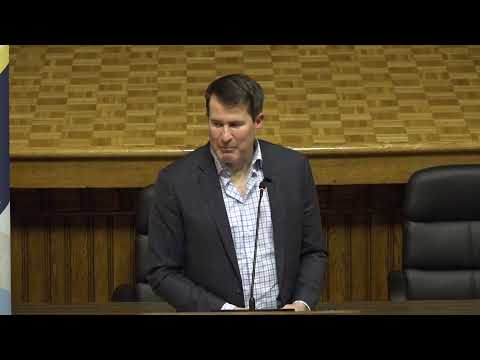
Congressman Seth Moulton said the federal three-digit suicide-and-crisis line known as 988 has substantially expanded access to help and saved lives, and he urged continued investment in staffing and youth-focused services at a town hall in Peabody.
Moulton told the audience that “calls to 988 went up 50% once we got the 3 digit hotline” and added that the law has “literally saved thousands of lives.” He said text volume has also grown sharply since launch and noted specialized routing for certain groups, including veterans and LGBTQ youth.
The law that created 988 was a recurring touchpoint in the discussion because several questioners raised concerns about the mental-health risks facing young people, particularly transgender students. A school staff member who works with transgender students described local remembrance events for trans victims and urged additional immediate supports in schools and communities.
Moulton said one concrete change has been increasing the number of specialists who staff 988 so callers identifying as veterans or LGBTQ youth will be routed to staff trained on those issues. “If you call 988 and you say, ‘I’m an LGBTQ youth,’ you are going to speak with someone who specializes in those concerns,” he said, calling the staffing changes a short-term step to meet immediate needs.
He framed the changes as part of a two-track approach: improve immediate crisis response while also working on longer-term legislative and policy solutions that can protect vulnerable youth.
Moulton and audience members emphasized that while hotlines do not replace local supports, enhancing 988 staffing and school-based prevention can help reach young people at high risk of suicide. The congressman encouraged educators and advocates to keep raising specific needs with his office so federal and local resources can be coordinated.
Looking ahead, Moulton said additional federal work will be required to preserve and expand mental-health services amid broader federal budget and policy debates. He invited constituents to bring ideas and evidence about what helps locally so his office can press for targeted aid.