Get Full Government Meeting Transcripts, Videos, & Alerts Forever!
Get email alerts on the Consumer Protections Medical Debt topic
No spam. Unsubscribe anytime.
Advocates, legal aid push bill to bar liens for non‑hospital medical debt; creditors ask for narrower definition
Summary
Senate Bill 349 would prohibit placing liens on a homeowner's primary residence to collect medical debt from non‑hospital providers; advocates said liens disproportionately harm low‑income households, creditors sought a narrower definition of covered debt.
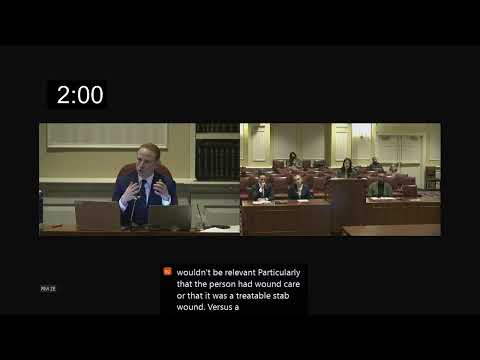
Senate Bill 349, presented Jan. 29 by Sen. Sarah Love, would prohibit creditors from creating a lien on an owner‑occupied primary residence to collect medical debt incurred with non‑hospital providers (for example, outpatient clinics, dental practices and long‑term care providers). Sponsors described the measure as an extension of earlier Maryland law that already barred liens for hospital medical debt.
Supporters — including the Attorney General’s health education unit, Economic Action Maryland Fund, and consumer advocates — argued that medical debt litigation and liens disproportionately affect low‑income households and communities of color, reduce access to home equity and mobility, and deepen financial instability. Erniece Williams of the AG’s health education unit cited federal polling showing widespread medical debt and urged the committee to protect homeowners from losing primary residences over medical bills.
Supporters said other states and territories prohibit medical‑debt liens and that they had seen no evidence of negative impacts on providers. They also acknowledged existing collection tools (wage garnishment, bank garnishment) would remain available.
Creditors and debt‑buyers raised a drafting concern: PAR Group and members of the Maryland/DC Creditors Bar Association said the bill’s current definition of "medical debt" is too broad and can sweep in mixed credit‑card charges that are not medically related. They recommended aligning the statutory definition with the Consumer Financial Protection Bureau (CFPB) guidance used elsewhere to avoid penalizing debt purchasers who cannot reliably distinguish medical from nonmedical charges when they acquire portfolios. Creditors framed their requested change as a technical amendment to prevent inadvertent violations.
Committee members probed mechanics: how clerks would docket judgments and how courts would distinguish mixed claims inside a single suit; supporters said the creditor would be expected to identify covered claims, and the court clerk could use a checkbox attestation process. Senator West asked about the potential impact on Maryland’s hospital payment system and Medicaid waiver; proponents said the bill applies to non‑hospital debt and would not affect hospital uncompensated‑care calculations.
No committee vote occurred at the hearing; sponsors asked for a favorable report and said they would work with creditors and clerks to refine the drafting.