Get Full Government Meeting Transcripts, Videos, & Alerts Forever!
Get email alerts on the Housing topic
No spam. Unsubscribe anytime.
Public comments press commissioners to study transfer and accommodations taxes to fund housing; board seeks comprehensive plan
Summary
Residents asked the Board of Garrett County Commissioners to consider raising the transfer tax and accommodations tax to fund affordable and attainable housing. Commissioners and members of the public agreed on the need for a strategic housing plan and further study; no new taxes were adopted at the meeting.
Several residents urged the Board of Garrett County Commissioners during public comment Jan. 21 to consider raising the transfer tax and the accommodations tax to finance affordable and attainable housing as the county prepares for incoming employers and job growth.
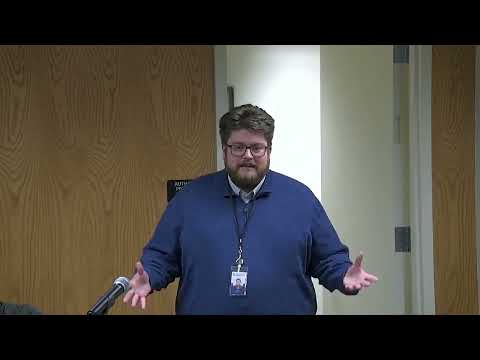
Mr. Schindler, a resident who attended the meeting, praised the commission’s decision to support Garrett Transit and raised concerns about representation and election procedures; his remarks preceded a broader housing and tax discussion. Seamus Welsh and other residents urged the board to move quickly, saying settlement costs and transfer taxes are modest relative to housing prices and that additional revenue is needed to support workforce housing.
Commissioner Savage acknowledged the issue’s importance but said the county does not yet have a ‘‘clear plan’’ for how any new revenue would be spent. Savage said the county’s budget is healthy now and emphasized the need for a comprehensive strategy that defines the type and number of housing units the county seeks (for example, high-quality rentals, attainable housing for workers, or income-based units) before adopting tax changes. He and other commissioners supported further study and convening stakeholders to draft a strategic housing plan.
Other speakers, including Mike and Frank, argued for diversifying county revenue sources and noted the county’s heavy reliance on property tax. Several commenters recommended immediate analysis: quantify how much revenue a change in transfer or accommodations tax would raise, who would pay, and what types of housing projects the money would support. The chamber president commented that about 400 housing units would be “transformative” for the county, but speakers cautioned unit type and price point matter.
Commissioners suggested forming a working group or task force to develop a comprehensive housing strategy and to model revenue options; they did not adopt any new taxes at the Jan. 21 meeting. The board said it will continue the public conversation at future meetings and that staff would work on data and analysis to inform decisions ahead of potential legislative timelines.