Council hearing examines 'good landlord' tax abatement option; administration warns of uncapped fiscal cost
Loading...
Summary
Councilors discussed a state-authorized "good landlord" local option at the Jan. 27 hearing. The exemption would let landlords receive property-tax relief if they rent units below specified income/rent limits; the city must still define eligibility, caps and fiscal exposure before adopting the program.
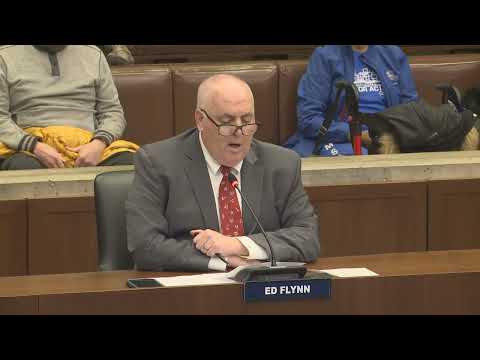
Councilors at the Jan. 27 joint hearing reviewed a state-authorized 'good landlord' tax abatement that would let municipalities exempt some property taxes for owners who rent units year-round at affordable levels to income-qualified tenants.
The program originates in state law: municipalities must adopt local rules to define the maximum abatement per unit, tenant income limits, required rent levels (commonly expressed as a fraction of AMI and not to exceed 30% of tenant income), and qualifying owner conditions. Boston officials told the council the state's Division of Local Services (DLS) issued guidelines that purposely leave many design decisions to municipalities.
Administration officials and council sponsors said the abatement is intended to support small, owner-occupied landlords who keep rents below market to house local families and seniors. Councilors emphasized that many long-time owners in neighborhoods across Boston rent below market rates to neighbors and relatives and face large bill increases that could force sales or market-rate conversions.
City staff warned the council of an immediate fiscal unknown: the DLS guidance indicates the exemption is a direct credit to property owners and may not be absorbed within the existing tax rate structure, so adoption could create an additional, uncapped city expenditure unless the council sets a cap. The administration proposed working with the mayor's Office of Housing and other departments to estimate the eligible universe, the likely cost and guardrails (owner-domicile requirements, unit eligibility, maximum per-unit abatement and verification procedures) before the council moves to adopt a local option.
Councilors asked for estimates of eligible properties, possible income thresholds and examples of how the abatement would be administered. Administration officials said producing reliable cost estimates requires collaboration with housing, assessing and DOR/DLS data sources and that the mayor's office of housing would be engaged in the next steps.
Supporters at the hearing said the abatement could preserve affordable, below-market units owned by long-time residents and help seniors age in place. Opponents cautioned that poorly designed abatements could shift costs to other taxpayers or be difficult to administer. Councilors and administration staff agreed to more analysis and to consider program rules that would limit fiscal exposure while targeting the benefit toward long-term, smaller landlords who rent permanently to income-eligible households.