Get Full Government Meeting Transcripts, Videos, & Alerts Forever!
Get email alerts on the Signs And Land Use Regulation topic
No spam. Unsubscribe anytime.
Planning commission schedules work session on digital signs; broader sign rules to return to commission
Summary
Commissioners agreed to schedule a work session (tentatively March 2) to review proposed digital-sign rules and related real-estate sign changes before forwarding recommendations to the county commissioners.
The St. Mary's County Planning Commission agreed to schedule a work session to develop clearer direction on digital signs and related sign-code matters before returning recommendations to the County Commissioners.
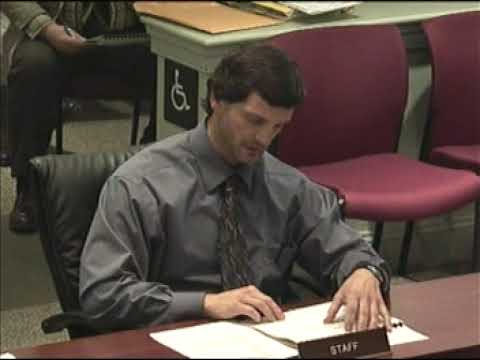
At the start of the agenda item, a planning staff member referenced memos from staff and Bob Bowles and said the commission would return to the matter with "a little more explicit directions so that we can proceed on to the County Commissioners." The discussion focused on the scope of any changes—on-site advertising versus off-site real-estate directional signs—and on technical controls: static versus animated displays, intensity, hours of operation, and permitted locations.
Commissioners and staff noted that adjacent jurisdictions vary in approach: the transcript records that Charles County and Calvert County do not directly address digital signs in their ordinances and that digital displays have appeared in those counties. Commissioners suggested a staged approach to permitting technology, starting with limited allowances and monitoring impacts. One commissioner asked staff to poll members about availability for a work session; the commission tentatively agreed to hold a work session on March 2 (with timing to be arranged, 3–4:30 p.m. proposed) and to make a formal announcement at the next regular meeting.
Staff also proposed consolidating review of the digital-sign topic with an upcoming real-estate sign application so the commission could view both sets of issues together. The commission requested staff set up a meeting prior to the next regular meeting if possible; the commission said it preferred a work session to a rushed decision at a single regular meeting.
No ordinance change was adopted at the meeting; the item was left at the discussion and work-session planning stage.