Sheriff budgets for U.S.-made drones and additional body-worn cameras amid changing federal guidance
Loading...
Summary
Story County sheriff's command described plans to buy "Bluegreen-compliant" drones (U.S.-made) and add body-worn cameras to jail pods; committee members urged coordination with Ames and Iowa State police to avoid duplication.
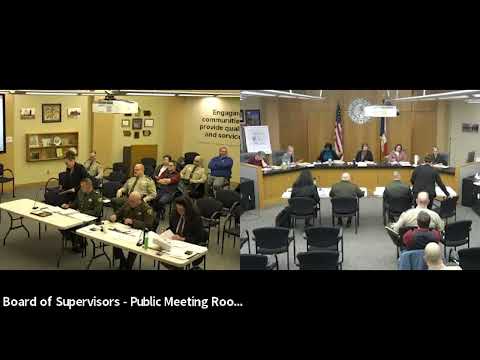
Story County command staff described a plan during the Jan. 27 budget work session to budget for U.S.-made, so-called "Bluegreen-compliant" drones and to purchase additional body-worn cameras for the jail.
Sheriff Paul Fitzgerald said the department wants medium-sized drones that fit in patrol vehicles for rapid-response use and that the county is budgeting proactively for U.S.-made units in case federal guidance or procurement rules restrict use of foreign-made models. He told supervisors he planned to discuss the matter with federal committees in Washington: "I will be in Washington next week talking with, our drone committees and seeing where, where that's going and if that's going to continue to go more towards American only."
Officials told the board that a medium-sized U.S.-made drone currently budgets near $9,000 for a model judged suitable for rapid outdoor response; the department said existing drones remain usable and are deployed frequently, but that newer U.S. models cost more and may offer procurement stability.
Supervisors urged coordination with other local law enforcement agencies after an attendee noted Ames Police Department and Iowa State University Police were also acquiring drones; the board asked whether agencies could avoid buying duplicate capabilities and plan shared usage through regional communication channels.
Separately, the sheriff's office proposed adding two more body-worn cameras to be housed in housing pods so detention officers could grab units quickly for incidents in the back sections of the jail. The purchase included licensing under the office's existing Axon contract; the office said the requested purchase reduced an earlier plan for a larger buy down to two additional units with multi-year licensing to align with current Axon service terms.
The board additionally heard that the TASER replacement plan and ballistic-vest purchases are being coordinated to align contract cycles and grant opportunities. No purchases were approved Jan. 27; the items were presented for consideration in the fiscal-year budget.
Why it matters: drones and body-worn cameras affect operational response, evidence collection and costs. Supervisors recommended exploring interagency coordination to limit redundant purchases and maximize countywide capabilities.