Get Full Government Meeting Transcripts, Videos, & Alerts Forever!
Get email alerts on the Regionalization Boces topic
No spam. Unsubscribe anytime.
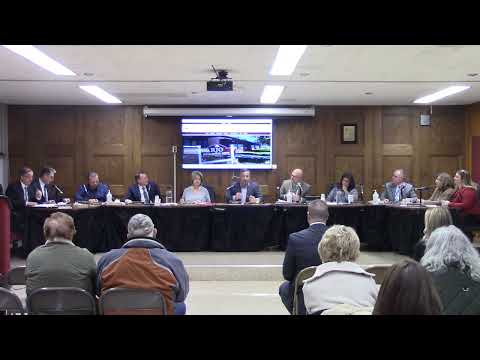
Kings Park board reviews state "regionalization" plan, stresses voluntary participation and oversight
Summary
At its Jan. 14 meeting the Kings Park Central School District Board of Education heard a detailed presentation on New York State's regionalization effort from district staff, emphasized that participation is voluntary, and invited public input after residents raised concerns about cost, local control and resource sharing.
Kings Park Central School District Board of Education members on Jan. 14 devoted an extended portion of their meeting to a State Education Department (NYSED) initiative often described locally as "regionalization," hearing a presentation from district staff and taking public comment.
Superintendent Dr. Regan framed the district's approach as fact-finding and outreach. He said the district had completed and posted a need survey to NYSED and to the district website and outlined residents' frequent questions about the proposal. "Everything you will see up here tonight is the truth," Dr. Regan said, adding that the presentation included direct citations to state regulations and guidance. Board President Mr. Bianco described the process as a "free option" that carries no automatic costs or mandates: "It's just about being part of a discussion," he said.
Board members and Dr. Regan emphasized three recurring points from NYSED guidance: participation in regional planning is voluntary, regional planning does not itself merge school districts, and any district participation in specific programs would require a separate contractual approval process by the local district. Dr. Regan cited language he said was in NYSED materials: "no individual school district is required to commit their local resources without their agreement or consent." Board members repeatedly told the audience that any program the district would join later would come to the board for public review and a vote.
Public commenters raised concerns about possible hidden costs, loss of local control and whether resources could be used to serve other districts. Resident Nancy Damada asked why her senior tax exemptions appeared to produce a higher tax bill and linked that to broader worries about district finances; the board said it would follow up with the town assessor. Retired educator Anna Gallagher and other residents said districts already collaborate informally and questioned what the formal process would add. Resident Sean Arene urged caution, saying "nothing in life is free." Resident Kateri Corelli described a past local arrangement to share an American Sign Language teacher with other districts and urged practical solutions that help students.
District staff described the mechanics the board said would protect local authority: the regional plan process, as explained in NYSED materials, is intended to coordinate and expand opportunities among districts and BOCES (Boards of Cooperative Educational Services); it does not by itself create consolidated districts. Board members said statutory consolidation or mergers would require separate, prescriptive legal steps and, where required, a community referendum.
Dr. Regan and Mr. Bianco pointed residents toward primary sources posted on the district website, including the need survey the district submitted to NYSED and cited NYSED publications (state register postings and FAQs). The board said it will continue outreach and invited residents to request follow-up meetings with board members or staff.
Discussion (not action) predominated at the meeting; the board signaled that future decisions about any particular program would be made separately and publicly. Mr. Bianco reiterated the district's position: "We can choose not to [participate], and there's no cost. The worst outcome here is that we're in the same place we are now."
Looking ahead, the board said it will continue to post materials online and to respond to constituent questions; staff offered to meet individually with residents who asked for more detail.