Get Full Government Meeting Transcripts, Videos, & Alerts Forever!
Get email alerts on the Building And Code Enforcement topic
No spam. Unsubscribe anytime.
Lampasas reviews building-code enforcement, hears presentation from third‑party inspector Bureau Veritas
Summary
City council members and contractors heard from Mike Olson of Bureau Veritas about the company’s contract, fees, turnaround times and how third‑party inspections would work alongside the city’s building official.
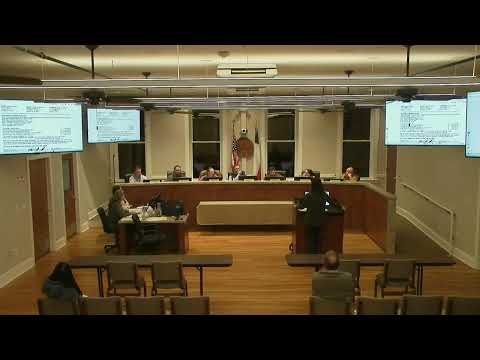
The Lampasas City Council on Jan. 13 heard a detailed presentation on building‑code enforcement and third‑party inspection services from Mike Olson, regional director of operations for Bureau Veritas.
Olson told the council that Bureau Veritas (sometimes shortened to “BV” in the presentation) is “a third party inspection company” and described the firm’s work in Texas and other states. He said the company operates under a fee model tied to the International Code Council’s building valuation table and that his office charges “60% of that table” for turnkey plan review and inspection services; he added that the company does not charge reinspection fees. Olson gave an example price: “A 1,500‑square‑foot home is gonna cost you $785. Turnkey, as many inspections as you want.”
Why it matters: Lampasas already has a contract in place with the company (Olson said a contract dates to Feb. 20, 2017), and council members said they want to understand how third‑party inspections would affect turnaround times, the city building official’s workload and contractor experience as the city prepares for future subdivisions.
Olson described the firm’s workflow: the city sends permits to BV digitally, BV performs plan review (Olson said residential plan review typically takes three to five business days and commercial 10 to 14 business days), and contractors receive an inspection report by email within minutes of an inspector completing a site visit. Olson also said BV maintains local capacity: he said he supervises roughly 16 inspectors in his area and that “we have 4 inspectors that live within 20 miles of this town,” which he said lets the firm do same‑day emergency inspections for service disconnects or gas meter issues.
City staff and contractors at the meeting largely described current service as responsive. Several contractors praised city staff members by name for accessibility; one contractor said he had “never had a problem” with the way plans and inspections were handled locally. Council members asked several operational questions, including how fees would pass through to contractors, whether BV would perform special inspections required under Chapter 17 (concrete slump tests, weld inspections), and whether the city would lose control in dispute situations.
Frank, the city’s building inspector, told council he has “mixed opinion about it” and that he would need more research before recommending changes to the current arrangement. Frank said a potential downside is added mediation work for city staff if a third party and a contractor disagree on a finding: “If the 3rd party comes in and fails something and there comes a disagreement ... and then I have to get involved ... I really haven't accomplished anything.” He also noted that some kinds of special inspections are normally handled by other testing firms and engineering consultants rather than a plan‑review vendor.
Council members and contractors suggested steps the city could take before changing processes: (1) review written permit and inspection procedures so contractors know expectations; (2) consider a dedicated building‑official role or a separation of functions so the city retains capacity to manage larger projects and subdivisions; and (3) study the contract and the digital case‑tracking system to confirm how records, fees and notifications flow between the city, BV and contractors.
What remains unresolved: Council asked staff to gather more details and to return with options. No formal change to the city’s inspection program or contract was adopted at the meeting.
Ending: Council members said the topic should remain under review as Lampasas prepares for possible subdivision activity in the coming years, and staff and contractors agreed to keep discussing operational details and fee implications.