Get Full Government Meeting Transcripts, Videos, & Alerts Forever!
Get email alerts on the Solar Zoning topic
No spam. Unsubscribe anytime.
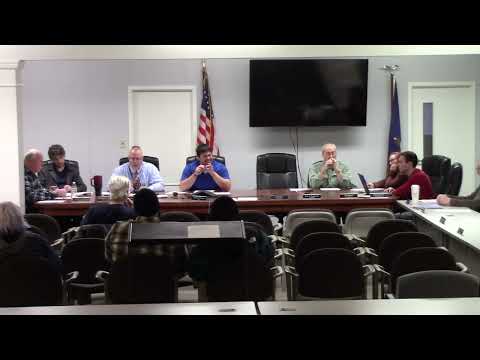
Council reviews new zoning for large ground‑mounted solar, sets 10‑acre minimum
Summary
Councilors reviewed a new zoning ordinance that would restrict principal ground‑mounted solar to open‑space districts with a 10‑acre minimum and include provisions for setbacks, permitting and roof/wall‑mounted systems; staff said prior zoning applications would not be affected.
Sunbury City Council members reviewed a proposed zoning ordinance that would regulate principal ground‑mounted solar energy systems, limit such systems to the city's open‑space zoning district and establish a minimum lot size of 10 acres for principal, ground‑mounted installations.
Staff described the draft as a new zoning ordinance rather than an amendment to an existing section. The ordinance as discussed would set rules on setbacks, permit requirements, minimum lot sizes and other standards for principal solar systems; roof‑ and wall‑mounted systems were described in the draft as accessory installations subject to structural demonstration that the roof can support panels.
Legal counsel and staff clarified that projects with zoning applications already filed before a valid ordinance takes effect would not be barred by the new rule. Council members repeatedly referenced an existing company’s pending application (referred to in the meeting with varying spellings) as an example: staff said the pending application would proceed under the prior rules and therefore would not be prevented by the draft ordinance. Council members asked staff to confirm that the new rule would be limited to open‑space zoning and would not retroactively affect pending filings.
Members debated tradeoffs between large solar fields and other uses for county or industrial land. One speaker observed that a solar farm typically generates minimal local employment and therefore yields lower local tax and employment benefits than a manufacturing or industrial reuse; others noted that solar remains private development until power is delivered to utilities and that property tax on land remains a potential but limited revenue source. Questions were raised about long‑term maintenance, site security and whether rail infrastructure or other site assets would be retained or removed if a property were converted to solar.
Technical details discussed in the meeting included the 10‑acre ground‑mounted minimum and the possibility that some accessory or roof‑mounted systems could be allowed on smaller parcels subject to structural and zoning review. Staff said portions of the draft ordinance would require further edits and the item would need advertisement and additional public hearings before any final adoption.
No formal vote was recorded on the ordinance during the meeting transcript excerpt.