Get Full Government Meeting Transcripts, Videos, & Alerts Forever!
Get email alerts on the Rural Small Schools Closure topic
No spam. Unsubscribe anytime.
Residents warn closing small, rural schools will harm students, services and local businesses
Summary
At a multi‑hour public hearing, teachers, principals, parents and small‑business owners urged the Fairbanks North Star Borough School District to preserve small and rural schools — including Hunter, 2 Rivers, Salcha and Midnight Sun — citing trauma‑informed services, transportation impacts and community economic ripple effects.
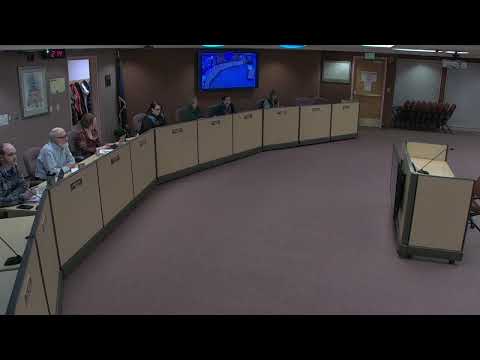
Dozens of parents, teachers, principals and business owners delivered emotional testimony Feb. 2 opposing proposed consolidation plans that would close or reconfigure several small and rural schools in the Fairbanks North Star Borough.
The testimony covered multiple schools under consideration — Hunter, 2 Rivers, Salcha, Midnight Sun and others — and centered on student welfare, community identity and secondary impacts such as increased transportation time and harm to local services.
Why it matters: Witnesses said small schools provide trauma‑informed supports, close adult‑student relationships and place‑based learning that cannot be replicated quickly at larger schools. Testifiers warned closures would increase absenteeism, disrupt special‑education services and force some families to leave the district or choose non‑district homeschool providers.
Examples from testimony:
- Hunter: Audra Hull, a Hunter teacher, disputed district claims about building systems and enrollment declines, saying the borough (not the district) is responsible for major building systems and that Hunter’s decline was smaller than presented. She told the board about students facing incarceration, foster care and unstable housing and asked the board “How are we supposed to accept this?” Frank Hendrickson, another Hunter teacher, and parents said many Hunter families work multiple jobs and may not attend hearings, contributing to underrepresentation of their views.
- 2 Rivers: Allison Wylde, principal of 2 Rivers, described place‑based homestead programming, community partnerships (including Fairbanks Soil and Water Conservation District and Porter Hill Farm), added a bus stop that increased out‑of‑area enrollment by about 10%, and pursuit of grants ranging from $5,000 to $300,000 for agroforestry and hydroponics projects. A 2 Rivers parent survey presented by Summer McMillan (37 responses from 70 enrolled students) reported that 35% of families said they would homeschool outside the district if 2 Rivers closed; 18.9% said they would enroll in another district school; 8.1% would send kids to Weller.
- Salcha: A mix of current and former Salcha students and staff said enrollment declines cited by the administration are smaller than presented and raised questions about how the district accounted for small‑school allocations, transportation effects and military family movement near Eielson Air Force Base.
- Midnight Sun and special‑education services: Several parents emphasized services for students with high needs at Midnight Sun, including a teacher who implemented the LAMP Words for Life program for a nonverbal student. Parents said transferring those students risks losing staff with specific skills and relationships built over years.
Economic and service impacts: Jasmine Wicks, a TRICARE‑contracted doula and small‑business owner, said consolidations would make it impractical for many entrepreneurs and service providers to operate because of longer daily commutes and childcare constraints. Testimony argued small schools anchor local communities and support volunteers, after‑school activities and local fundraising.
Transportation and capacity: Mary Dean Stevenson and other speakers warned of longer bus rides and additional route costs if rural schools closed. Stevenson estimated current routing uses six buses for 2 Rivers and said closures could require additional buses; Summer McMillan and others asked the district for a school‑level budget breakdown, saying the website only showed a single aggregated number without staff/operations detail.
Process concerns and calls to action: Multiple witnesses urged the board to delay votes, requested additional work sessions, and asked residents to testify to the legislature (HB 69) for increased base student allocation. Several speakers urged the board to explore alternatives — scaled‑back local programming, charter or community‑run models, grant pursuit and partnerships — rather than immediate closures.
Ending: Testifiers closed by asking the board to preserve small and rural schools or, at minimum, to invest time in alternative proposals that preserve place‑based programs and local supports before making final decisions affecting students’ daily lives.