Get Full Government Meeting Transcripts, Videos, & Alerts Forever!
Get email alerts on the Barnett K8 topic
No spam. Unsubscribe anytime.
Barnett parents, students and staff urge board to preserve K‑8 magnet model, warn of program losses
Summary
At a public hearing, Barnett Magnet School parents, students and staff opposed a proposed change to K‑5, saying removing grades 6–8 would dismantle a successful K‑8 magnet model and eliminate extracurricular and academic programs.
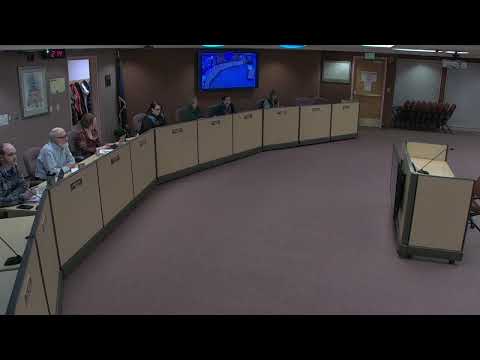
Parents, students, teachers and community members urged the Fairbanks North Star Borough School District school board on Feb. 2 to preserve Barnett Magnet School’s K‑8 structure and warned that converting Barnett to K‑5 would erode the school’s magnet model and its middle‑school programming.
Why it matters: Testimony emphasized that Barnett’s K‑8 model provides mentorship opportunities, specialized electives and continuity that families choose through the district’s lottery. Speakers said converting the school to K‑5 would displace middle‑school students and risk losing programs that draw students back to the district.
What witnesses said: Christina Reid, Barnett’s music teacher, said Barnett serves 416 students and that the school has a long wait list each year. Reid warned that eliminating middle grades would “have a detrimental impact on what makes Barnett Magnet so attractive and successful,” including year‑round programs such as orchestra, robotics, band and the school musical.
Parents and students described mentorship and cross‑grade programs: Clara Cooper, an eighth grader, described being a TA and said older students serve as mentors for younger children; Tumi Trastason, a Barnett parent and Ryan Middle School science teacher, told the board removing middle school would “profoundly change the nature of the school” and could push families to alternatives outside the district.
Evidence and program losses cited: Testimony listed several programs that could be affected, including Science Olympiad (which has qualified for national competition), robotics teams, debate and a school musical. One teacher and several parents noted that a disproportionate number of Barnett students participate in special programs: Reid said 29% of Barnett students are socioeconomically disadvantaged and roughly 100 students are in an IEP or 504 plan.
Logistics and capacity concerns: Testifiers raised questions about where displaced middle‑school students would go and warned that receiving middle schools already face overcrowding. Several speakers said they had not seen a district fiscal note showing savings or costs from changing Barnett’s configuration.
Calls for process and transparency: Multiple speakers asked the board to give the community more time for deliberation and for the district to publish a detailed fiscal analysis of any K‑5 conversion before a final decision.
Ending: Barnett supporters asked the board to preserve the K‑8 magnet model, noting the school’s role in attracting families districtwide and warning that the district could lose enrollment (and revenue) if parents seek alternatives outside the district.