Get Full Government Meeting Transcripts, Videos, & Alerts Forever!
Get email alerts on the School Closures Preservation topic
No spam. Unsubscribe anytime.
Hundreds of residents urge Marion County School Board to preserve historic Fessenden (Pheasant) and Anthony Elementary schools
Summary
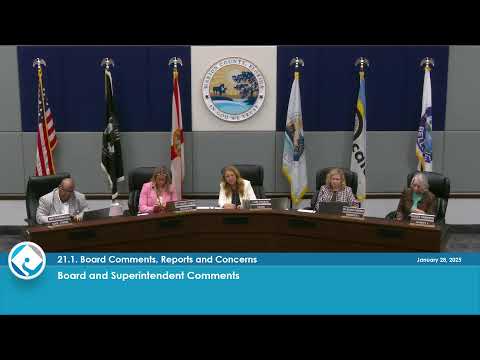
At the Marion County School Board meeting on Jan. 28, 2025, more than two dozen residents, alumni and civic leaders pressed the board to preserve Pheasant (commonly referred to in testimony as Fessenden) Elementary School and Anthony Elementary School rather than close or repurpose them as the district considers operating changes tied to new construction and budget balancing.
At the Marion County School Board meeting on Jan. 28, 2025, more than two dozen residents, alumni and civic leaders pressed the board to preserve Pheasant (commonly referred to in testimony as Fessenden) Elementary School and Anthony Elementary School rather than close or repurpose them as the district considers operating changes tied to new construction and budget balancing.
Speakers said the schools are living landmarks and community anchors. "Pheasant Elementary is a cornerstone of our community and a beacon of education since 1868," said Abigail Rose McCoy, vice president of the Marion County NAACP Youth Council and great-great-granddaughter of Thomas B. Ward. "Closing this institution would erase a vital chapter of our heritage and disrupt students' education."
The meeting drew multiple speakers with long family ties to the schools. "Pheasant has been an institution of learning since 1868," said Louvetta (Loretta) Jenkins, a former principal at the school who noted the building is listed on the National Register of Historic Places. Former school board member Bobby James and Reverend Dr. Joe McFadden Sr., president of the Pheasant School Alumni Association, called for full disclosure of the financial spreadsheets and alternatives considered before any closure decision.
Other speakers emphasized community impact beyond heritage. Laurie Rangel, a music teacher at Anthony Elementary, said many families walk to the school and lack transportation; moving students to a more distant facility would reduce parent involvement. Yvette Anderson, speaking as a guardian of a child with severe autism, said her granddaughter requires the specialized services currently provided at Fessenden and that repeated reassignment harms students with complex needs.
The comments recounted local histories and philanthropic ties: speakers described philanthropic support in the late 19th and early 20th centuries (referenced names included Ferdinand Stone Fessenden and Andrew Carnegie) and repeated that the site and its buildings hold community memory. Multiple speakers said the property is important to county and Black history and urged the board to pursue preservation options and dedicated funding rather than closure or sale.
Board members acknowledged the remarks and said the discussion will continue. Chair Lori Conrad and other members thanked the public for attending and for describing the schools' legacy. Several board members and staff said the next steps will include further work sessions and community input; board members offered two possible dates for additional meetings to continue the conversation and gather more information from staff and the superintendent's office.
Why it matters: commenters pressed that decisions framed primarily as budget fixes risk erasing locally significant history and disrupting students, particularly those who need specialized services. Several speakers asked the board to exhaust preservation funding paths and to involve alumni and community groups before approving any repurposing.
What the board said it will do next: Board members agreed to continue the topic at additional work sessions in February (the board discussed February 19 and February 24 as possible dates) and to solicit more detailed financial and programmatic options from district staff before any final vote. The board did not adopt any closure or repurposing motion at the Jan. 28 meeting.
Speakers (selected) who addressed this topic: - Bobby James — former Marion County School Board member and longtime volunteer coach (citizen) - Jerone Gamble — president, Marion County NAACP (nonprofit) - Reverend Dr. Joe McFadden Sr. — president, Pheasant School Alumni Association (citizen/faith leader) - Louvetta Jenkins — former principal, Pheasant (citizen/former staff) - Abigail Rose McCoy — vice president, Marion County NAACP Youth Council (citizen) - April Rose McCoy — Marion County educational support staff (employee) - Linda Ward — interim president, Pheasant Elementary PTO (citizen/PTA) - James Glover — resident and alumnus (citizen) - Laurie Rangel — Anthony Elementary music teacher (school staff) - Yvette Anderson — grandparent and advocate for a student with special needs (citizen)
Authorities referenced during public comment: the transcript and speakers noted that Pheasant/Fessenden is listed on the National Register of Historic Places (1994) and that historical deed restrictions cited in earlier documents may exist; the board and staff said they will review any legal or contractual restrictions tied to past property conveyances before making decisions.
Clarifying details captured from testimony and district remarks: - Founding/continuity: multiple speakers said the school traces to 1868 and has operated continuously; Pheasant/Fessenden was described as being added to the National Register in 1994. - Community uses: speakers described dormitories and boarding-era buildings historically on campus, and ongoing use as an elementary school. - Special programs: commenters reported that Fessenden currently serves students with specialized/mod curriculum needs (one speaker cited a child with autism who had been moved between campuses). - Public-engagement request: speakers repeatedly asked for full disclosure of the district's financial spreadsheet and a list of alternatives considered before any final decision is made.
Community relevance: the agenda item affects neighborhoods in north Marion County including Anthony, Pheasanton/Fessenden area and surrounding zones; impact groups identified by commenters were alumni, military families (in other recognitions during the meeting), students with special needs, and families lacking reliable transportation.
Meeting context: public comment occupied a large portion of the evening; the clerk counted 24 speakers. Board members said they will continue public discussion and staff will return more detailed analyses and options at future work sessions.