Get Full Government Meeting Transcripts, Videos, & Alerts Forever!
Get email alerts on the Rural Energy topic
No spam. Unsubscribe anytime.
Oregon Department of Energy seeks USDA grant to fund energy audits for rural farms and small businesses
Summary
The Oregon Department of Energy asked Jan. 28 for permission to apply for a $100,000 USDA REAP grant to provide energy audits that cover 75% of audit costs for rural small businesses and agricultural producers.
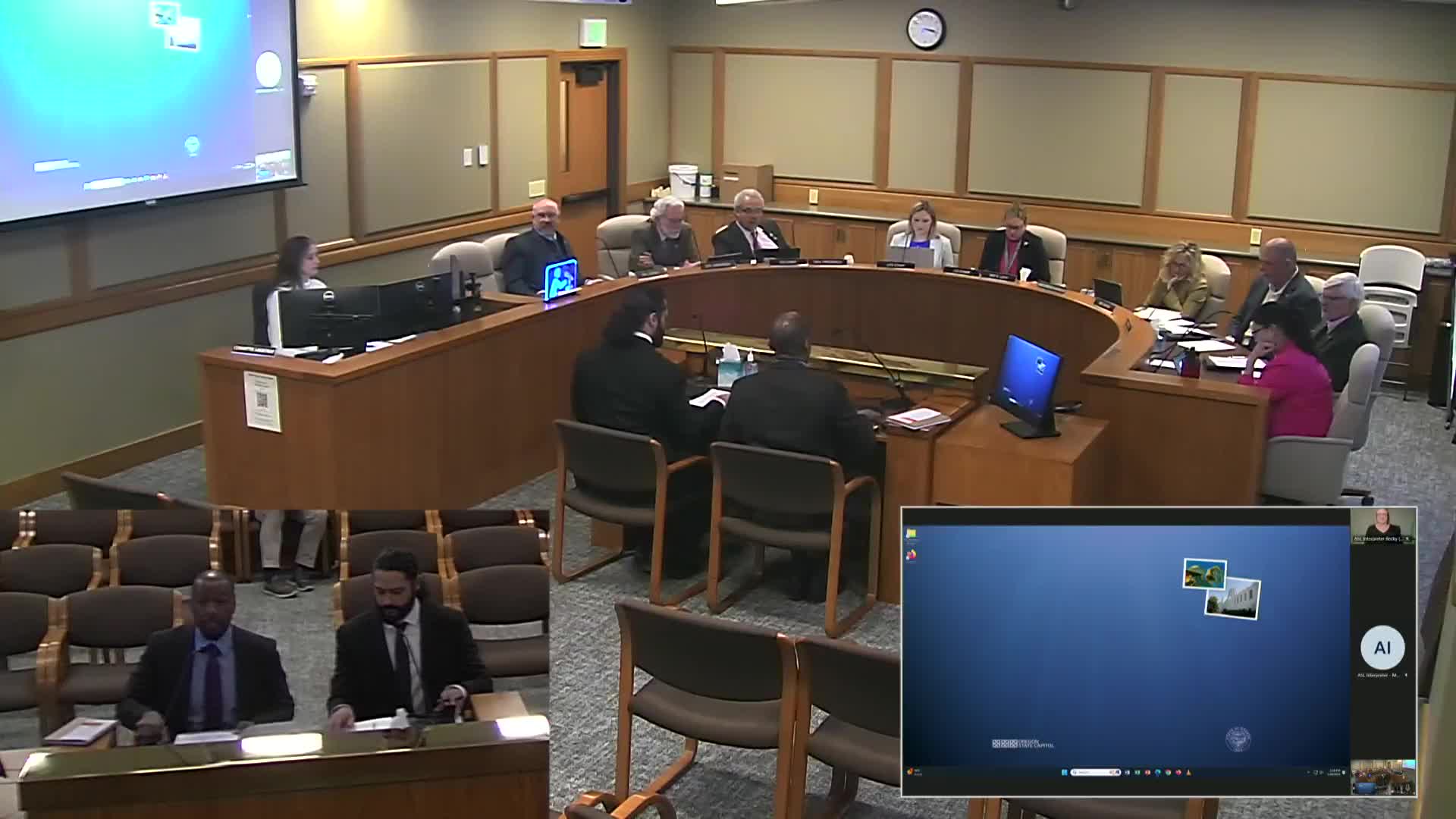
The Oregon Department of Energy asked the Joint Subcommittee on Natural Resources on Jan. 28 for permission to apply for a $100,000 Rural Energy for America Program (REAP) grant from the U.S. Department of Agriculture to fund energy audits for rural small businesses and agricultural producers.
Michael Williams, assistant director for central services at the Oregon Department of Energy, said the department intends to use the grant to provide 75% of the cost of an energy audit for eligible rural businesses and agricultural producers. "We're requesting a $100,000 to use a grant for Oregon's rural and agriculture energy assistance program, and to provide 75% of the cost of an energy audit for Oregon rural small businesses and agricultural producers," Williams said. He said the program has supported audits in nine counties since 2021 and that audits helped several recipients secure additional federal grants and utility incentives.
Williams said there is no state match for the USDA grant application, but participating businesses must provide 25% cost share for the audit. In Energy Trust of Oregon service territory, Energy Trust has agreed to provide that 25% match so eligible businesses in that area can receive audits at no out-of-pocket cost. Williams said the grant period would run one to two years and that the department screens potential participants and helps refer them to other state or utility resources when audits are not the right fit.
The Chief Financial Office and the Legislative Fiscal Office recommended approval. A member moved the LFO recommendation to approve; no objections were raised and the motion passed by voice. Rob Owens was invited to carry the request to full committee.
During questions, committee members asked for examples of audit outcomes. Williams described an agricultural example in Grant County where an audit identified diesel-to-electric irrigation pumps and other measures that reduced energy costs; he also described a rural business that upgraded heating to a heat pump and used audit findings to obtain a USDA grant to pay for measures identified in the audit.
The permission to apply is not an award; if funded, participating businesses would need to meet cost-share requirements and the department would administer the program.