Get Full Government Meeting Transcripts, Videos, & Alerts Forever!
Get email alerts on the Data Privacy Veterans topic
No spam. Unsubscribe anytime.
Committee hears testimony on HB 2341 to allow state agencies to share veterans' email addresses with ODVA
Summary
House Bill 2341 would add email addresses to the contact information that certain state agencies provide to the Oregon Department of Veterans Affairs; ODVA testified the change would allow faster, cost‑effective outreach while committee members raised privacy and consent questions
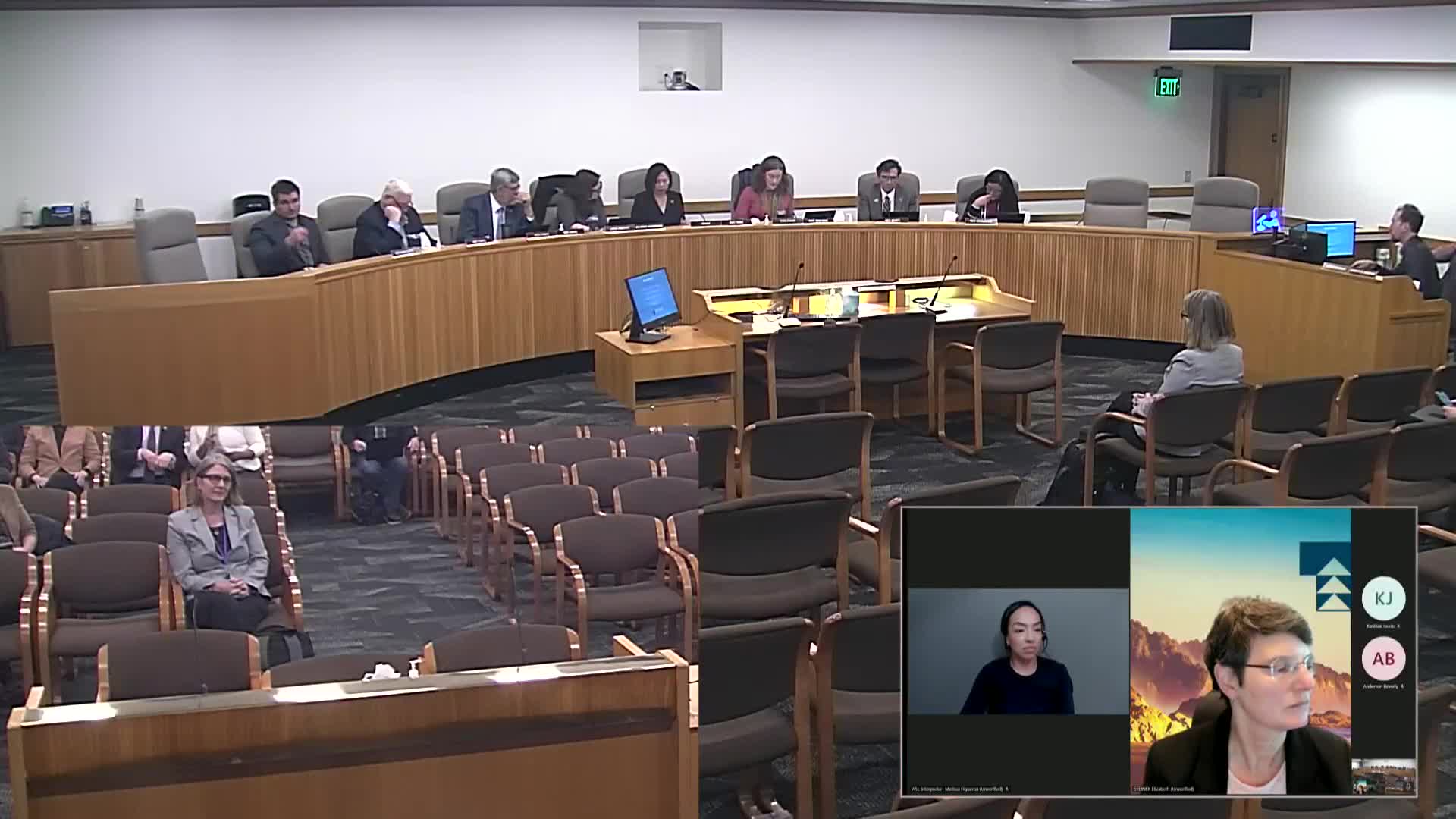
The House Committee on Emergency Management, General Government, and Veterans held a public hearing on House Bill 2341 on Jan. 28. LPRO staff summarized the bill as amending existing data‑sharing law to add email addresses to the veteran contact information state agencies must provide to the Oregon Department of Veterans Affairs.
Dr. Nakia Counsel Daniels, ODVA director, testified in support of HB 2341. She said current Oregon Revised Statutes require certain agency directors to share veterans’ names and mailing addresses with ODVA, which limits the agency to U.S. mail for outreach. Daniels said adding email addresses would give ODVA a second, cost‑effective medium to reach veterans and could improve the agency's ability to connect historically underserved groups, including women veterans, veterans of color and LGBTQ+ veterans. She said the departments that currently share name and address information include the Department of Human Services, the Early Learning Division, the Oregon Department of Transportation and the Oregon Health Authority.
Committee members asked several privacy and consent questions. Representative Lewis asked whether veterans could have given contact information to a different agency without expecting it to be shared more broadly; Daniels acknowledged that the statutory change would allow ODVA to receive email addresses from those agencies but said interagency memoranda of understanding and clear communication with veterans could address consent concerns. Daniels said ODVA’s communications team and advocacy coordinators would work to be transparent and that the agency could follow up with veterans who appear in the data to offer benefits assistance.
Daniels also described how the agency currently stores incoming contact information: “We are currently using spreadsheets,” she said, and offered to discuss resources to build a more robust database if the committee desired. She said advocates in ODVA’s appeals and special advocacy division and county veteran service officers use a certified database for some casework, but the email list described in HB 2341 would be a separate data collection used for outreach.
No formal action or vote occurred; the committee closed the public hearing on HB 2341 after questions and testimony and moved to the next bill on the agenda.