Get Full Government Meeting Transcripts, Videos, & Alerts Forever!
Get email alerts on the Textbook Affordability topic
No spam. Unsubscribe anytime.
Open-education advocates tell committee affordable-textbook grants save students millions
Summary
Open Oregon Educational Resources and campus advocates described textbook costs and the statewide OER grant program, saying their work saved students about $25 million since 2015 and urging support for funding in the student basic-needs package.
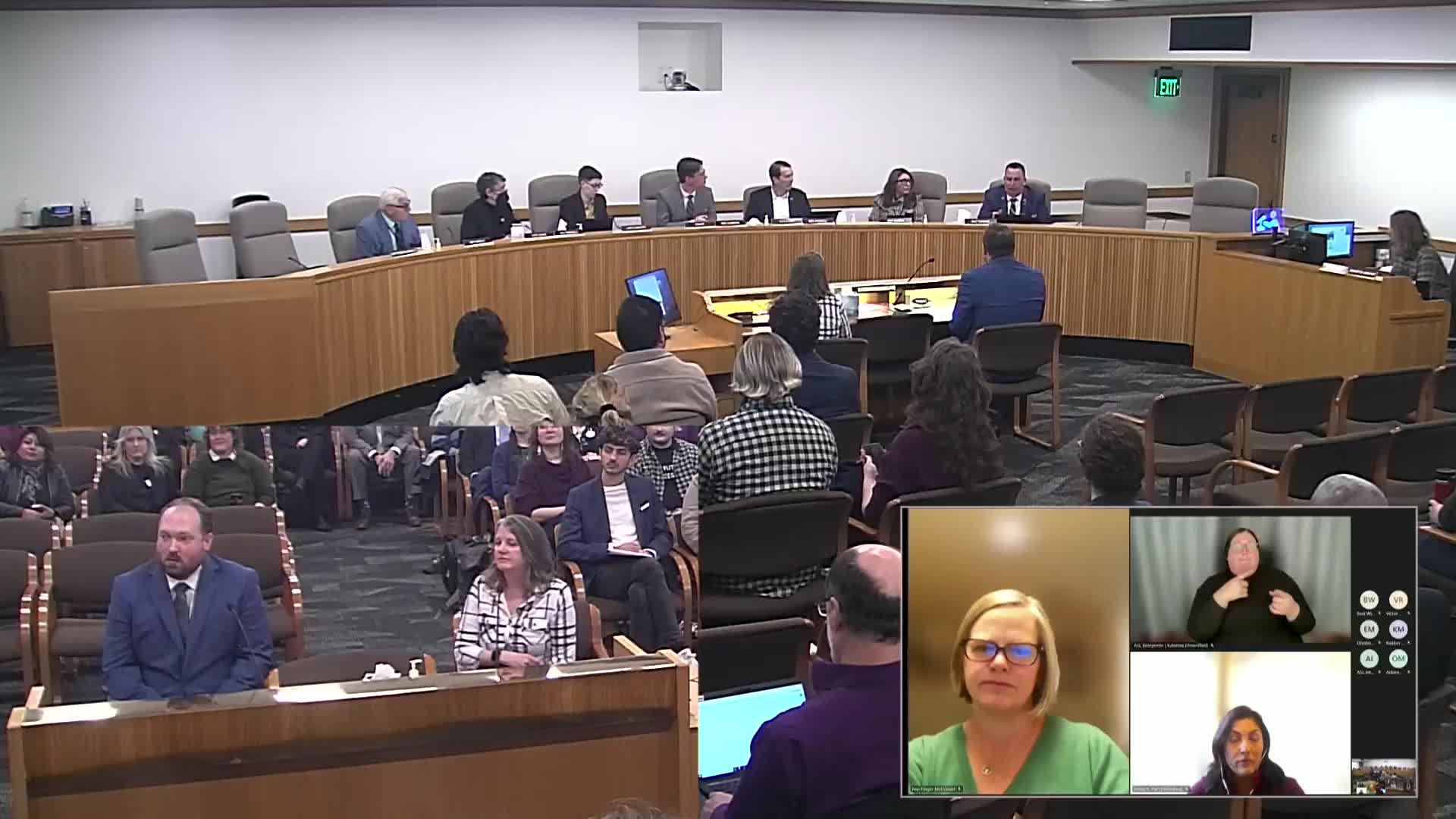
Open-education advocates told the House committee on Jan. 28 that course materials remain a substantial out-of-pocket cost for students and that Oregon's statewide OER program has delivered measurable savings.
"Since 2015 our grant program has saved students $25,000,000 on textbooks," Amy Hoffer, statewide open-education program director for Open Oregon Educational Resources, said. Hoffer said that student savings represented about $11 in student savings for each program dollar spent and that the program provides professional development, grants and policy support to faculty working to reduce course-material costs.
Why it matters: Presenters said that expensive textbooks and restrictive publisher practices reduce student access to required materials. Student testimony cited surveys showing more than 60% of students have at least once skipped buying required course materials because of cost, and presenters argued that investment in open-education programming is an effective cost-saving measure.
A student representative said the textbook market is concentrated among a few publishers and that course material costs have risen substantially in recent decades, figures she cited included a 184% increase since 1998 and a much larger increase over the longer term. Hoffer urged lawmakers to include textbook-affordability funding as part of the student basic-needs package and noted the multiplier effect of grant funding for open textbooks.
Ending: Advocates asked the committee to support funding in the student-needs proposal and to champion the appropriation through Ways and Means, saying the program reduces costs for students and improves access to course content.