Get Full Government Meeting Transcripts, Videos, & Alerts Forever!
Get email alerts on the Student Basic Needs topic
No spam. Unsubscribe anytime.
Students and navigators press Oregon legislature to fund basic-needs supports, propose emergency package
Summary
Students, benefits navigators and advocates urged the House committee to approve one-time emergency funding to expand benefits navigator staffing, campus food pantries, emergency aid and housing support; they flagged bills HB 3182 and HB 3183 and cited HB 2835's earlier navigator funding.
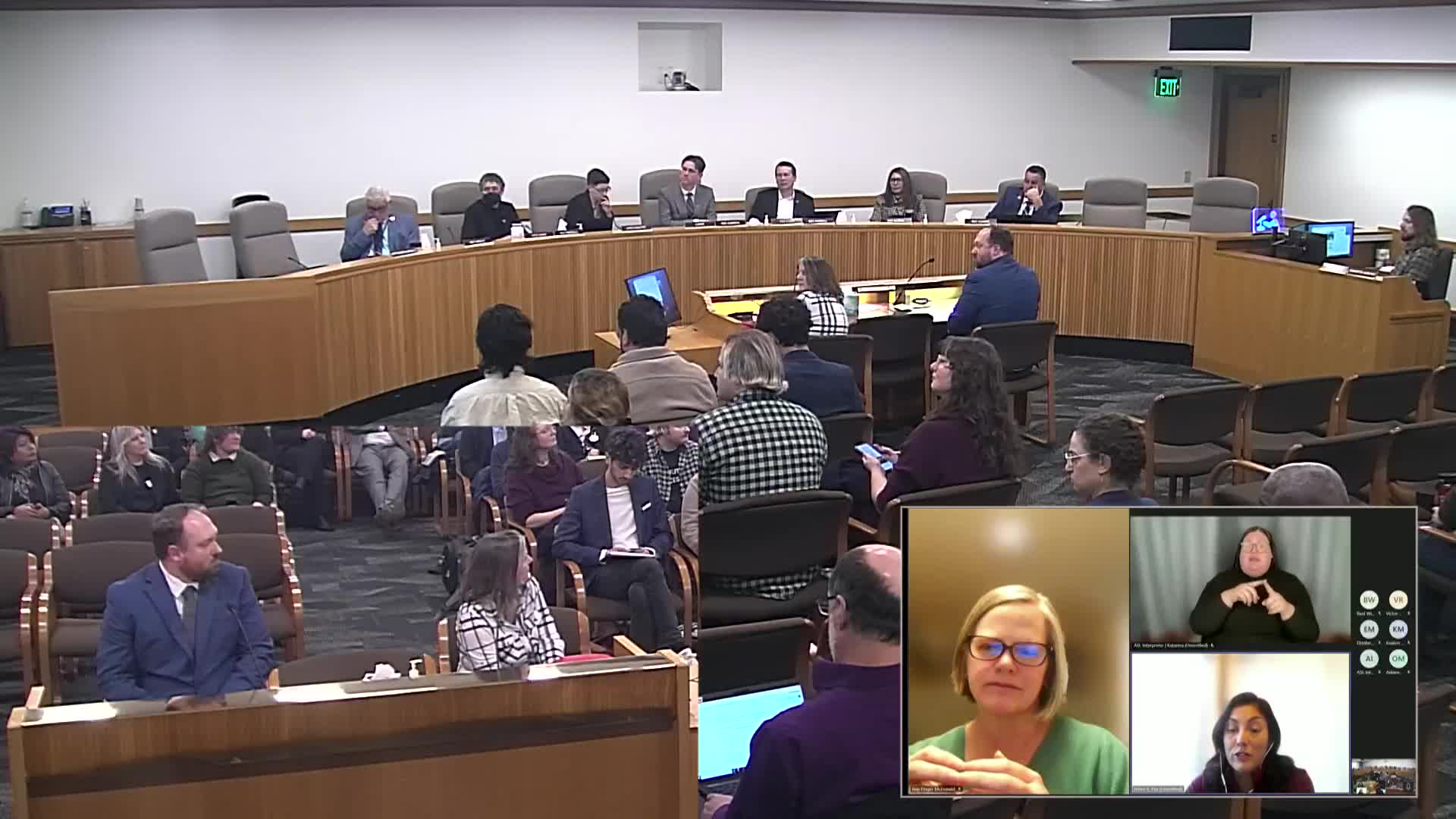
Students, benefits navigators and campus partners told the House Committee on Higher Education on Jan. 28 that food, housing, transportation, childcare and textbook costs are pushing many college students toward dropout and called for an emergency funding package.
"Students at my college and around the country are facing insecurity in many ways," said Kai White, a student senator at Portland Community College, citing a 2023 Hope Center survey finding that 43% of PCC respondents reported food insecurity and 56% reported housing insecurity.
Why it matters: Witnesses said basic-needs insecurity affects students across community colleges and universities and that investments in navigators and emergency aid improve retention and workforce pipelines. Testimony referenced two bills being introduced to address student needs: HB 3182 and HB 3183, and asked that earlier funding from HB 2835 for benefits navigators be reinstated or continued.
Student testimony and navigator evidence: Angela Arredondo, an Oregon State University student and member of OSU's Student Fee Committee, told the committee housing was the top issue for students in the Oregon Student Association survey and described commuting challenges that make attendance difficult. Zoe Cooper Caricelli, statewide program coordinator for PCC's benefits navigators, said the navigator program has served more than 39,000 students across the state since inception and described navigators' roles in connecting students to campus and community resources, SNAP and health insurance enrollment, food pantries and emergency aid.
Benefits navigators gave examples of direct interventions. Helen Boss, a benefits navigator at Clackamas Community College, recounted a student fleeing domestic violence who arrived with four children; flexible funds from the Higher Education Emergency Relief Fund (HEERF) and coordinated community supports helped the student secure an apartment, make the trip and stay enrolled, Boss said. Boss asked the legislature to reinstate $5,000,000 that had been appropriated previously for navigator positions and to make the positions permanent.
Programmatic request: Witnesses described the package they seek as one-time emergency funding to sustain and expand navigator personnel, provide direct student emergency aid (food, housing and transportation vouchers), and invest in campus basic-needs infrastructure such as pantries, refrigeration and staffing to expand hours and reach.
Ending: Committee members heard that next steps include public hearings on related bills; presenters emphasized that navigators extend campus capacity to keep students enrolled and urged lawmakers to consider a short-term funding package to bridge current gaps.