Get Full Government Meeting Transcripts, Videos, & Alerts Forever!
Get email alerts on the Vulnerable Persons Children topic
No spam. Unsubscribe anytime.
House Bill 2302 would add people under 18 to Oregon’s abuse-of-a-vulnerable-person law, sponsors say
Summary
Supporters told the House Judiciary Committee HB 2302 is a technical fix to clarify that children are covered as vulnerable persons under ORS 124.100, allowing civil claims and statutory remedies now available to other vulnerable classes.
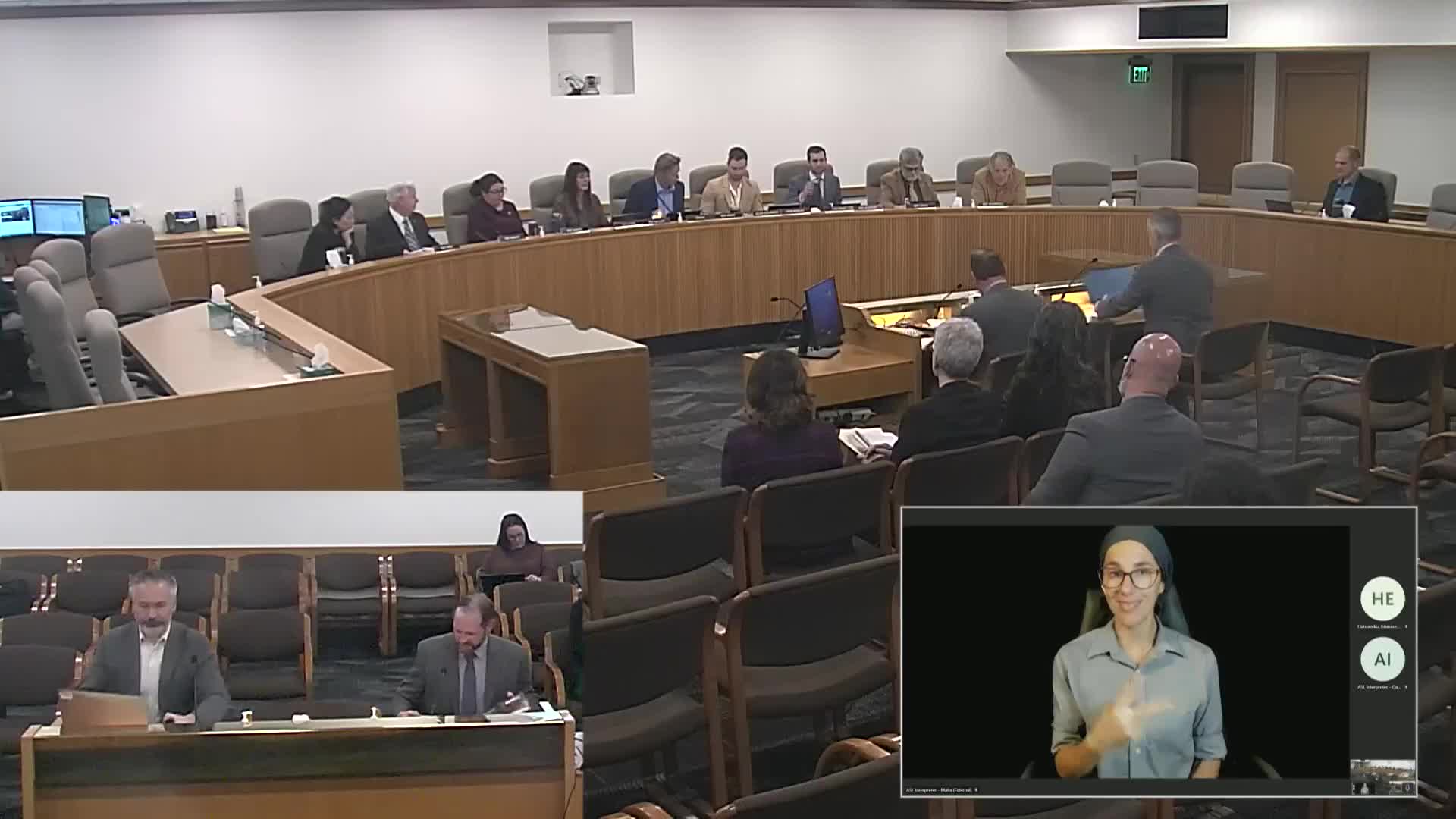
Supporters of House Bill 2302 told the House Judiciary Committee on Jan. 27 the bill would explicitly add people under 18 to the statutory definition of “vulnerable person” in ORS 124.100, a change they described as a technical fix to remove litigation uncertainty.
Chris Coulter of the Legislative Policy and Research Office summarized the measure to the committee: the bill “expands upon who may bring a civil action for abuse of a vulnerable person by extending the definition of vulnerable person to include those under 18 years of age.” He also said the bill would apply prospectively and retroactively for civil actions filed on or after the effective date and declared an emergency so it would take effect upon passage.
State Representative Kevin Mannix, a sponsor, said the proposal is intended to make clear that children — like elderly people — qualify as vulnerable for purposes of the civil statute. “We want the statute to be clear,” Mannix said, noting that courts have parsed the existing law differently in recent litigation.
Two attorneys who work with child-abuse and dependency cases described practical consequences. Erin Olson, a Portland civil attorney and professional fiduciary, summarized the act’s remedies and history and said courts have sometimes treated children as outside the statute. Amber Kinney, a former Multnomah County deputy district attorney now in private practice, said judges and trial courts need the clarification to avoid protracted litigation over whether a child is a “vulnerable person.”
Committee members asked how civil claims for children would be brought and who could sue. Olson and Kinney said children cannot sue on their own; a guardian ad litem, guardian or conservator must bring civil tort claims on a child’s behalf. Members also queried statute-of-limitations issues; witnesses pointed to the current statute’s seven-year discovery rule for financial abuse and to Oregon’s tolling rules in ORS chapter 12 as relevant background.
Supporters told the committee the bill would make existing statutory remedies — including the enhanced damages, attorney-fee provisions and equitable remedies under the Vulnerable Person Act — clearly available in appropriate child-victim cases. They emphasized that the statute already contains exceptions and limits that were created during the act’s original passage.
No committee vote on HB 2302 occurred that day; the committee opened and closed public testimony and proceeded to work sessions.