Get Full Government Meeting Transcripts, Videos, & Alerts Forever!
Get email alerts on the Illegal Marijuana Farms Tax Exemption topic
No spam. Unsubscribe anytime.
Senate Bill 347 would strip farm tax breaks for land used for illegal marijuana grows, with narrow exceptions
Summary
A public hearing on Senate Bill 347 drew rural county commissioners, agricultural groups and lawmakers who said the bill would disqualify land from exclusive farm use tax preferences for 10 years if illegal marijuana is produced there; the bill includes exceptions for owners who lacked knowledge or promptly notify law enforcement.
Senate Bill 347 would disqualify land from certain farmland tax reductions for 10 years if an owner, holder or person legally possessing the property received a final civil penalty or a final criminal conviction for illegal marijuana cultivation on that land.
The bill’s sponsor, state Senator David Brock Smith, told the Senate Committee on Judiciary the measure is meant to remove a financial incentive for landowners who knowingly allow illegal grows. “What we want to do is disenfranchise the individuals that are taking the cartel bags of cash,” he said, describing illegal grows as tied to organized crime, human trafficking and an overload on county services.
The bill would exempt landowners or property taxpayers who reasonably lacked knowledge of the illegal activity, who promptly notified law enforcement on actual or constructive knowledge, or who acquired the land after the illegal activity ended. The measure also requires courts, district attorneys and municipal authorities to notify the Oregon Liquor and Cannabis Commission, each county assessor with jurisdiction, and the Department of Revenue of any qualifying final orders or convictions. The bill takes effect on the 91st day following adjournment.
Ginny Dressler of the Oregon Farm Bureau Federation said the group supports the concept and that the bill’s language provides what the Farm Bureau views as “the right protections” for owners who may not occupy their land. Amanda Metzler, chair of the Josephine County Cannabis Advisory Panel, told the committee that rural counties have seen farmland purchased or rented for illegal production and that the bill “will fix that loophole” while laying out exceptions for owners who are unaware of illegal activity.
Curry County Commissioner Jay Trost and Douglas County Commissioner Chris Boyce both testified in support, saying the change would be a proactive tool to reduce available acreage for cartels and relieve strained local law enforcement. Boyce said current laws lack “teeth” and that local agencies are under-resourced to respond to the number of illegal grows in southern Oregon.
Committee members raised procedural and legal questions. Senator McLean asked who bears the burden of proof to establish an owner qualifies for an exemption; the sponsor and others said the landowner would ultimately bear the burden. Senator Broadman asked whether the bill would create added regulatory duties for county assessors, district attorneys and municipal authorities; supporters said they believe the administrative burden of illegal grows currently outweighs any added reporting duties the bill would impose. A committee member also asked whether the bill would trigger past-due tax assessments when land comes out of farm deferral; the sponsor said the bill is not intended to generate retroactive back taxes and is meant to affect future eligibility for deferral.
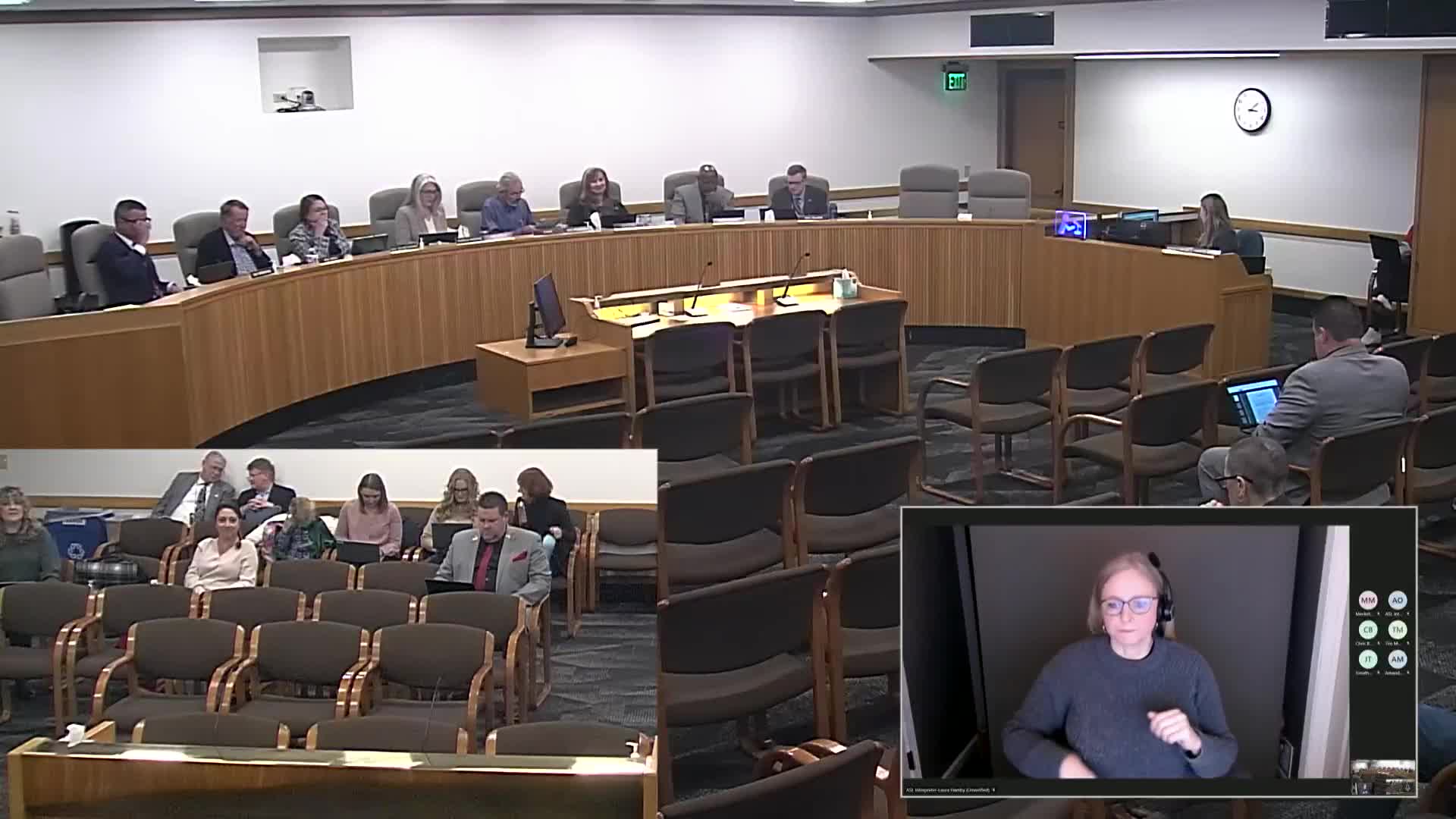
The committee took testimony from registered witnesses and closed the public hearing on the bill without a committee vote; members said they will continue work and tighten language on issues such as the burden of proof and administrative reporting before any referral or vote.
The record for this bill includes testimony from the sponsor, agricultural representatives and county commissioners who said the measure is one of several steps needed to address illegal grows in parts of southern Oregon.