Get Full Government Meeting Transcripts, Videos, & Alerts Forever!
Get email alerts on the Planning And Zoning topic
No spam. Unsubscribe anytime.
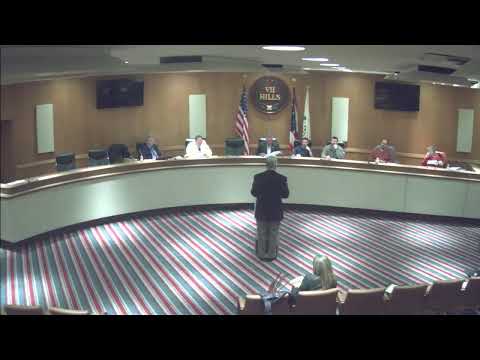
Council committee advances Rockside Road PUD development agreement including rehab hospital, TIF provisions
Summary
The Seven Hills Planning, Zoning and Economic Development committee on Jan. 28 approved placing a development agreement for the Rockside Road PUD on the council agenda for first reading. The agreement centers a rehabilitation hospital, includes TIF language to acquire land for public uses, and requires significant utility and foundation work before residential construction.
The Seven Hills Planning, Zoning and Economic Development committee on Jan. 28 approved placing a development agreement for the Rockside Road planned unit development on the council agenda for first reading, moving the item into the formal three-reading process.
The agreement centers a proposed rehabilitation hospital and includes tax-increment financing provisions that could allow the city to buy a parcel for a public safety station and to reserve land for a pocket park and gazebo overlooking downtown. The document also requires the developer to make substantial infrastructure investments—sewers, electric and foundations—before single-family homes in the rear may be built, and it contemplates traffic mitigation work on Crossview Road.
"This is like the third or fourth go around," said Ed Foley, a staff member who presented the packet and negotiation objectives, summarizing the lengthy development history. Foley said the project "does reflect the aging of America. So it's a rehab hospital, which we think is a real prize." He said the agreement "does allow for TIF money to buy a parcel of land for the city" and provides for a right-turn lane and realignment at Crossview.
Foley and the mayor told the committee the agreement ties commercial development to infrastructure and places conditions on sequencing, with commercial work required before residential construction. Foley said the packet contains detailed exhibits (he referenced "Exhibit G") and that the developer must complete significant utility and foundation work before homes can be built. He noted also that wetlands variances and PUD changes will be required.
The presenter said the contract includes an 18-month performance milestone: "there is contract language in here. They have 18 months to start the program." He added the agreement contains successor- and signee-related language so obligations travel with the property.
Committee members were told the packet is substantial and the item will receive three readings—about six weeks of public and council scrutiny—before final council action. The presenter said outside counsel Greg Daniels, described to the committee as an Ohio TIF expert, participated in negotiations and the school district will separately review its participation once the document is public.
The committee vote to place the development agreement on the next meeting agenda for first reading passed on a roll call (Kelly yes; Costanza yes; Curiosus yes). The presenter said members and the public will have opportunity for further review during the three readings.
The committee also reviewed proposed zoning ordinance changes that staff circulated in draft form. The principal drafting changes the presenter highlighted are (1) a fence setback change that would require a fence to be set back a minimum of 8 inches from the property line and (2) a change governing the gross vehicle weight allowed to park in a driveway for a professional home office, set at 8,850 pounds. The presenter said he will make a floor motion to amend ordinance 3-2025 with these changes at the meeting before the second reading.
The discussion included planning details intended to protect adjacent neighbors (buffering and freestanding homes along Stephen Drive), pedestrian connectivity (sidewalks to outparcels and restaurants), and a pocket park for public use. Foley emphasized the private ownership of the property and the limits of what the city can require under its charter and zoning code.
What happens next: the development agreement will be scheduled for first reading at the next council meeting, then returned for second and third readings with the exhibits and packet available for public review. Additional approvals (wetlands variances, PUD changes) and coordination with the school district were described as outstanding steps.