Get Full Government Meeting Transcripts, Videos, & Alerts Forever!
Get email alerts on the Affordable Housing Finance topic
No spam. Unsubscribe anytime.
Developers and preservation groups warn underwriting, insurance and interest rates threaten affordable housing finance
Summary
A nonprofit developer and preservation stakeholders told the committee that outdated underwriting assumptions, rising insurance costs and higher interest rates are creating gaps that threaten both new affordable housing production and existing properties.
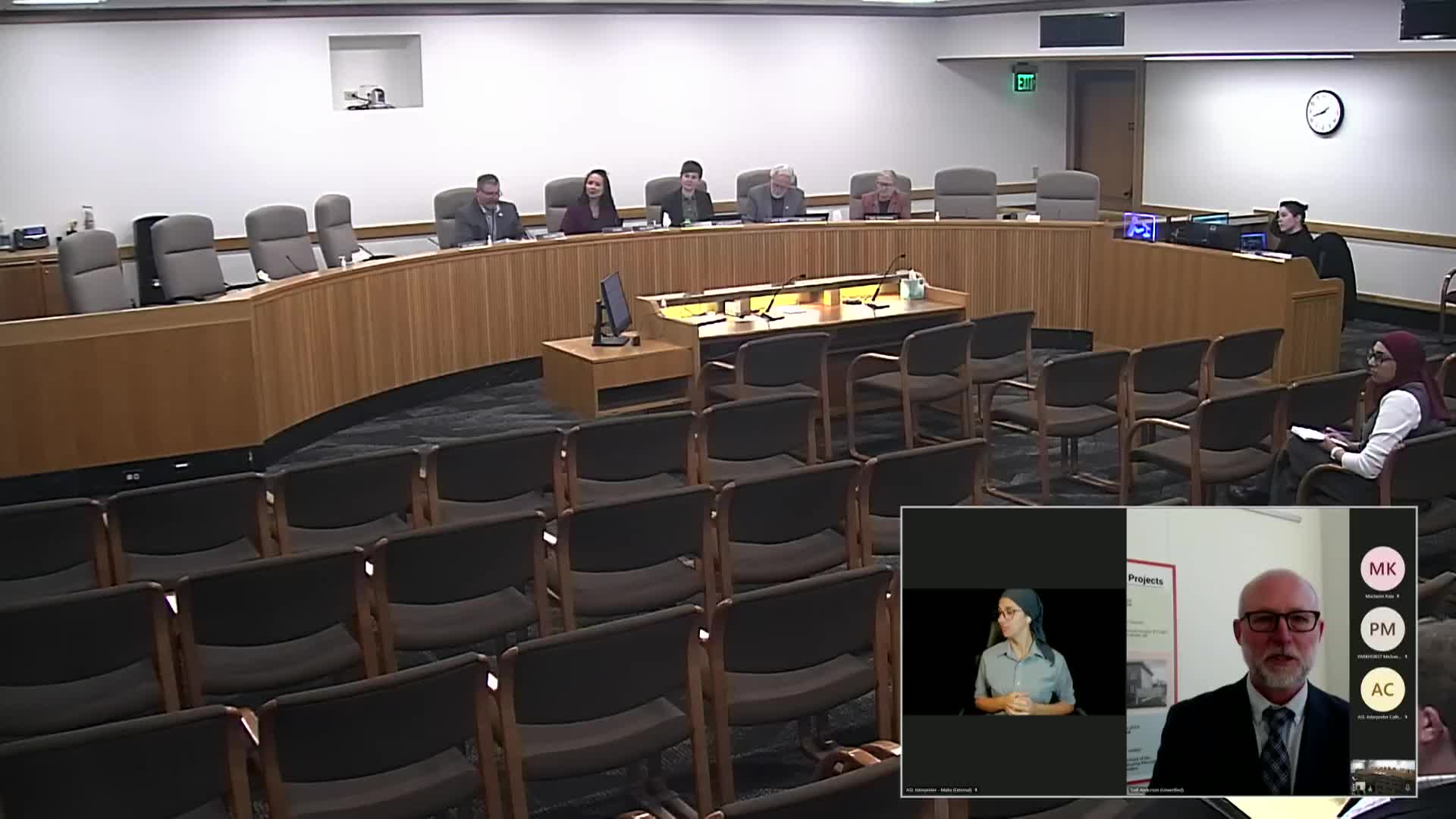
Trell Anderson, executive director of Northwest Housing Alternatives, told the Senate Committee on Housing and Development on Jan. 27, 2025, that several financial barriers — including outdated underwriting standards, high insurance increases and increased lender liquidity requirements — are constraining affordable housing production and preservation.
"Using the 2%, 3% and 5% standard of 30 years ago undermines a property's finances from the day it is placed in service," Anderson said, describing traditional underwriting assumptions for rent escalation, cost escalation and vacancy as inadequate for current market conditions.
Anderson said carrying a project through predevelopment and entitlement now often requires $1 million to $4 million of upfront capital, that construction and permanent lending rates remain elevated, and that contingency pressure and volatile materials pricing make financing riskier. He said NHA experienced over a 500% increase in insurance rates in recent years and that some insurers now treat permanent supportive housing units as higher risk.
Recommendations presented to the committee included: an analysis comparing original underwriting assumptions to current market realities for the state's affordable housing portfolio; creating regulatory flexibility and an operating relief pool to bridge operations; updating tools such as the Oregon Affordable Housing Tax Credit and general obligation bonds to support preservation; and exploring a state‑backed insurance pool or additional regulation of insurance markets.
Anderson also urged convening banking and investment partners for national perspective and said some preservation work depends on short windows for construction and conversion, making technical assistance and flexible bridge financing important. The presentation was informational and no formal vote occurred.