Get Full Government Meeting Transcripts, Videos, & Alerts Forever!
Get email alerts on the Outside Employment topic
No spam. Unsubscribe anytime.
Ethics bill would let public officials accept pay to teach postsecondary courses, agency says
Summary
House Bill 2932 would add an exception to the prohibited‑use‑of‑office statute to allow public officials to accept compensation from postsecondary institutions for teaching, with agency testimony describing examples including judges and nurses whose professional role makes them desirable instructors.
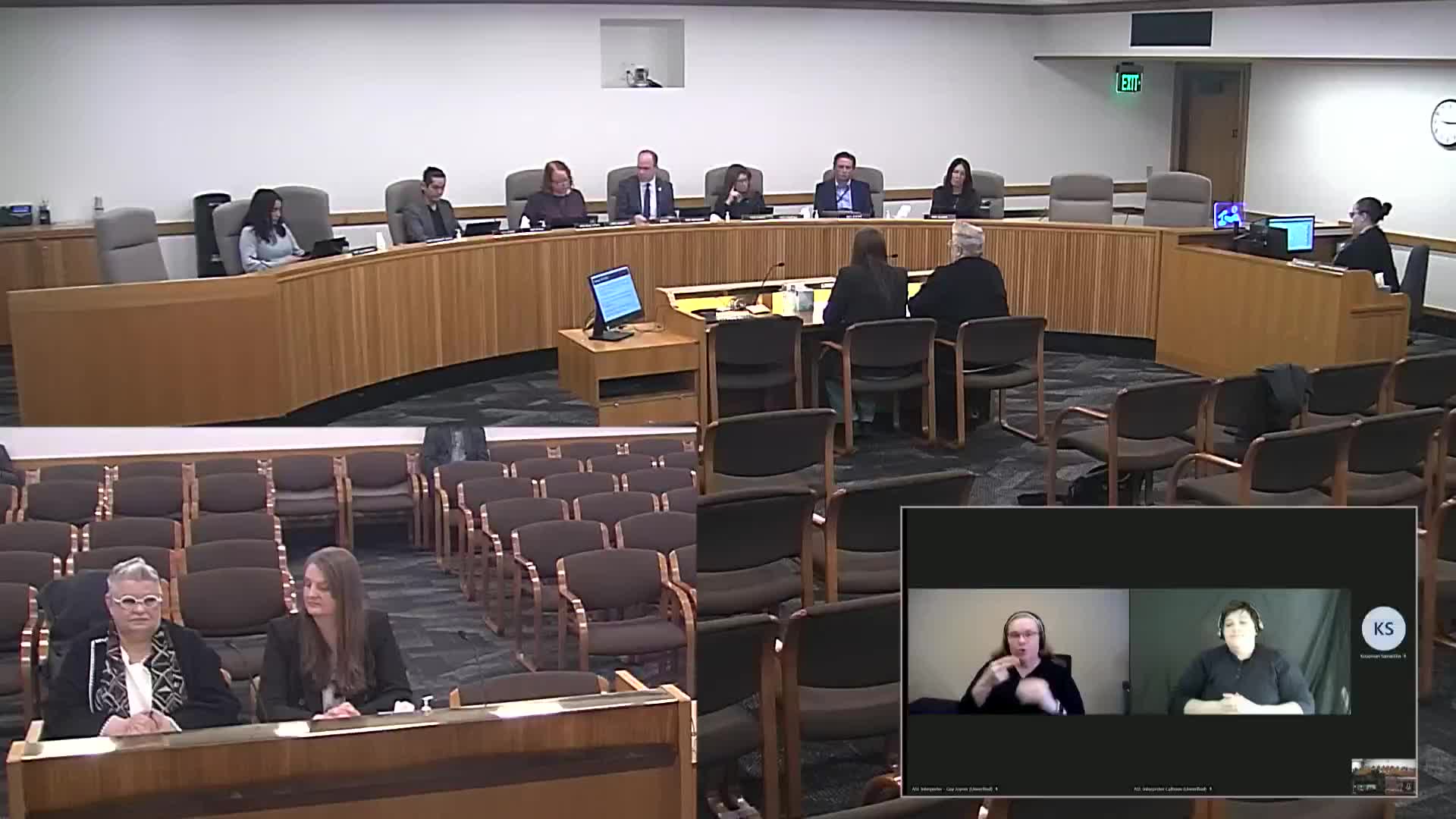
House Bill 2932 would add a new exception to Oregon’s prohibited‑use‑of‑office statute to allow public officials to accept compensation from a postsecondary institution for teaching courses, the Oregon Government Ethics Commission told the House Committee on Rules on Jan. 27.
Susan Myers said the bill is intended to remove a disincentive for public officials — such as judges, justices or experienced medical staff — who are invited to teach because of their public role and experience. Under current law, the commission’s advice often hinges on whether the teaching opportunity exists because of the person’s position; the proposed exception would make teaching compensated courses at postsecondary institutions explicitly permissible.
Myers offered examples: law schools often seek sitting judges to teach courses, and nursing programs can benefit from instructors who are state hospital practitioners. Committee members probed whether the change could be exploited or whether officials with independent credentials would already qualify to teach; Myers said the goal was to remove a statutory hurdle that sometimes causes officials not to accept teaching opportunities or to face uncertain advice.
Members of the committee expressed mixed reactions in questioning. Vice Chair Drazen and others noted the difficulty of proving whether an offer was made solely because of public office and whether the exception might reduce the need to prove a negative in advisory settings. Representative Elmer asked rhetorically whether legislators could similarly teach courses; Myers said the exception would remove a barrier and let qualified public officials teach when appropriate.
Why it matters: the bill would clarify when compensated teaching at accredited postsecondary institutions does not constitute a prohibited use of office, potentially expanding opportunities for students to learn from sitting officials while removing an administrative obstacle for instructors.