Get Full Government Meeting Transcripts, Videos, & Alerts Forever!
Get email alerts on the Regulatory Fees Food Safety topic
No spam. Unsubscribe anytime.
ODA seeks to make 3% annual food safety fee authority permanent to keep inspections and licensing funded
Summary
The Oregon Department of Agriculture told lawmakers HB 2805 would remove a sunset on the agency’s authority to raise certain food safety fees by up to 3% annually; ODA leaders said fees cover most of the program’s costs and rising operating expenses make the authority necessary.
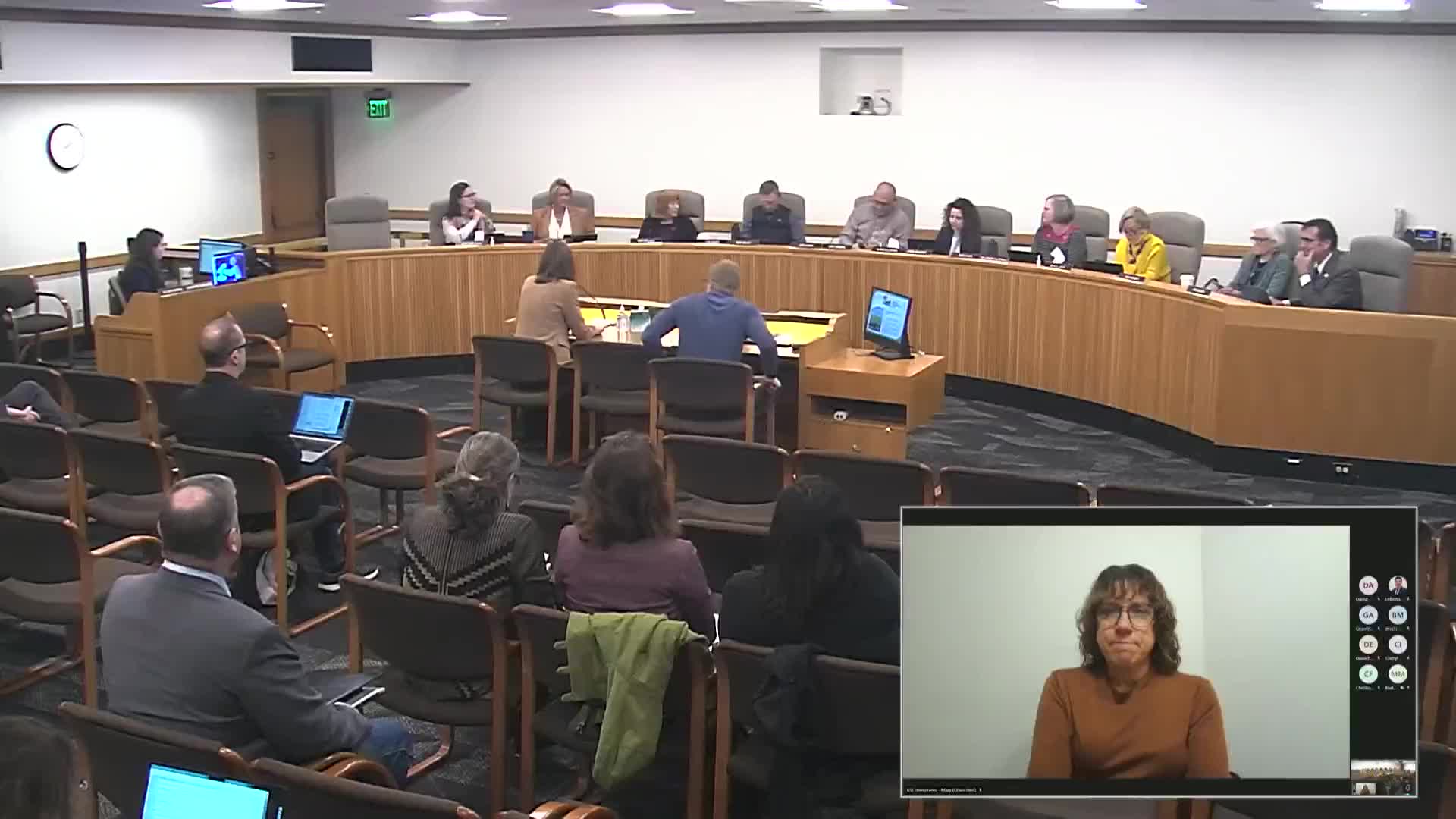
Lisa Sharpello Hansen, director of the Oregon Department of Agriculture, and Jonathan Sandow, ODA deputy director, described House Bill 2805 during the Jan. 27 hearing as a fee bill intended to sustain the department’s food safety work.
Sharpello Hansen told the House Committee on Agriculture, Land Use, Natural Resources, and Water that ODA operates on a biennial budget of about $168,000,000 and that roughly 60 percent of that budget comes from fees. Jonathan Sandow said the food safety program licenses over 12,000 producers, processors and retailers and that, beginning in 2012, the program was authorized to increase certain fees by up to 3 percent annually; that temporary authority was reauthorized in 2019 and is set to sunset.
House Bill 2805 would remove that sunset and make the up‑to‑3‑percent annual fee adjustment permanent. Sandow said removing the sunset is intended to give ODA and licensees predictability for covering increased operating costs such as fuel, staff retention and state enterprise charges. He emphasized the bill is “sustaining the core capacity” rather than expanding the program.
Committee members asked where county public‑health inspections end and state ODA responsibilities begin. Sandow said counties handle restaurants and immediate‑consumption food service, while ODA inspects grocery stores and larger bulk commerce channels. A committee member asked about fee levels for small retailers; Sandow said, by example, that a retail food establishment with annual sales between $500,000 and $1,000,000 typically pays about $356 for licensing.
Why it matters: ODA’s food safety work underpins consumer confidence and market access for Oregon agricultural products. ODA leaders told the panel that without continuing fee authority the agency could not adjust fees before the next legislative window, potentially forcing a multi‑year hold on fee adjustments while operating costs rise.
The committee closed the public hearing on HB 2805; no formal committee action was recorded at that session.