Get Full Government Meeting Transcripts, Videos, & Alerts Forever!
Get email alerts on the Investigations Procedure topic
No spam. Unsubscribe anytime.
Ethics commission seeks 60‑day extension authority; League of Oregon Cities urges stakeholder work group
Summary
House Bill 2927 would let the Oregon Government Ethics Commission extend investigations up to 60 days to align with commission meeting schedules; the League of Oregon Cities urged stakeholder negotiation and proposed procedural safeguards.
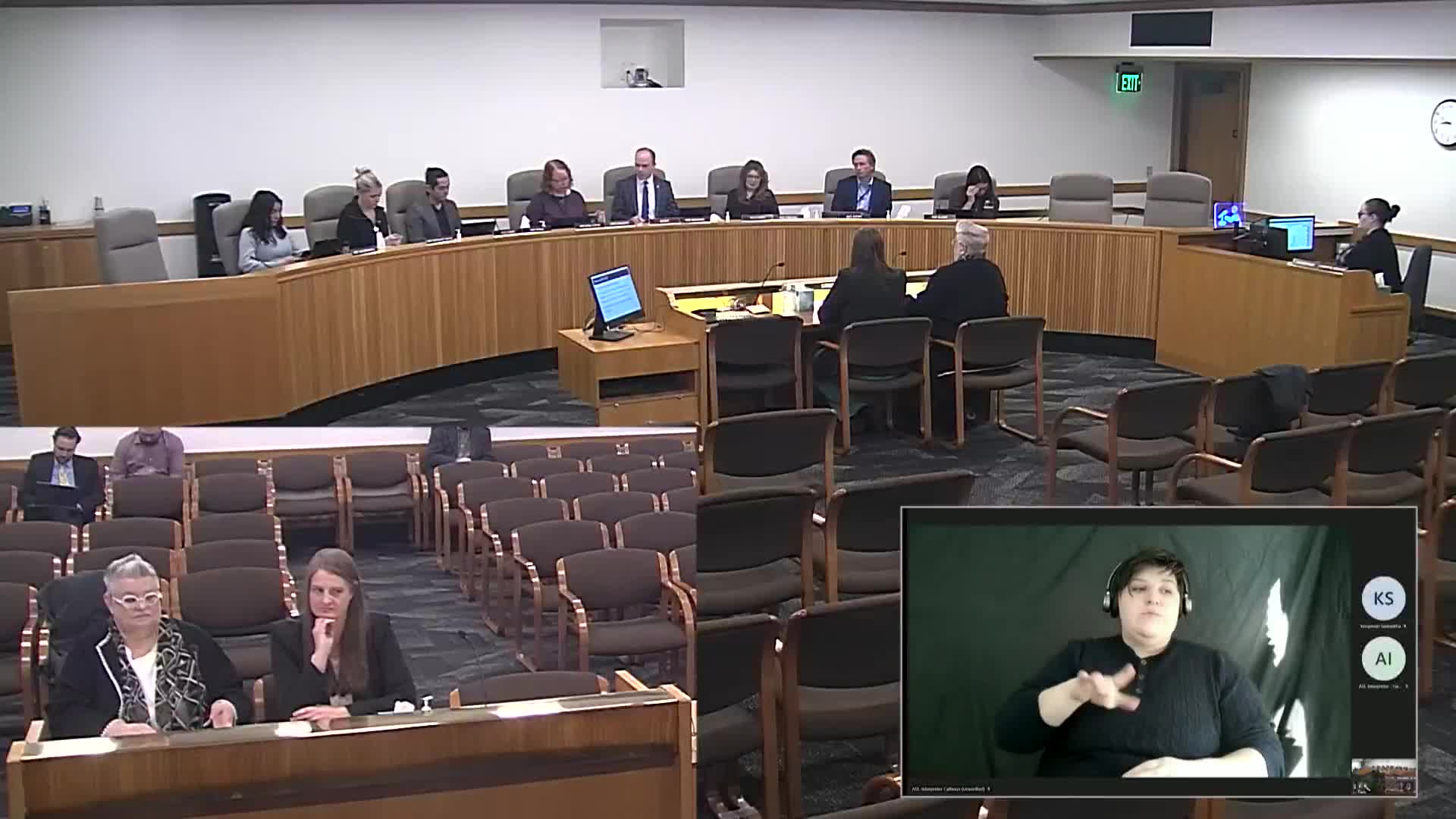
House Bill 2927, discussed in the House Committee on Rules on Jan. 27, would allow the Oregon Government Ethics Commission to extend an investigation by up to 60 days, rather than the existing 30‑day extension, so that extensions would align with the commission’s meeting cadence.
Susan Myers, the commission’s executive director, told the committee that investigations typically run about 180 days. Under current law the Commission may order a 30‑day extension for additional factfinding, but the Commission does not meet monthly; the 30‑day window therefore often does not permit the matter to be taken up at the next scheduled meeting without calling a special session. Myers said a 60‑day extension would allow the matter to be considered at the next regular meeting and was intended as a technical fix rather than a new investigatory power.
Scott Winkels, representing the League of Oregon Cities, testified in opposition (the League characterized its position as “amend” in practice). Winkels said local governments pay roughly half the commission’s costs and argued stakeholders should have been consulted in the interim rather than advancing the change during session. The League proposed guardrails, including thresholds or preliminary findings to ensure only matters with sufficient merit proceed, and suggested outreach to city attorneys to seek earlier settlements or stipulated resolutions in appropriate cases.
Committee members queried whether the Commission could simply meet monthly instead of extending the statutory window; Myers said special meetings impose costs (travel, stipends) and that the change was intended to align statute and practice without additional expense. Some members expressed concern about prolonging uncertainty for individuals under investigation and urged urgency in resolving matters rather than routinely extending them.
Why it matters: the bill would adjust a procedural limit to match the commission’s calendar; local government representatives urged additional procedural safeguards and stakeholder negotiation to avoid unintended burdens on volunteer officials.