Get Full Government Meeting Transcripts, Videos, & Alerts Forever!
Get email alerts on the School Safety topic
No spam. Unsubscribe anytime.
Azusa Unified introduces Centegix crisis‑alert badges for staff
Summary
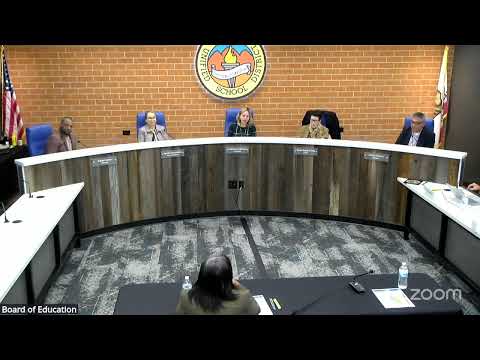
At a Jan. 28 board governance workshop, Azusa Unified staff and trustees received training and began issuing Centegix crisis‑alert badges designed to notify site responders, district staff and local law enforcement of medical or security incidents on campus.
Azusa Unified School District on Jan. 28 demonstrated and began issuing Centegix crisis‑alert badges to staff, saying the device will let employees summon help from site responders, district teams and law enforcement when incidents occur on campus.
Superintendent Arturo Ortega opened the 10‑minute training and said the district planned to issue a badge, lanyard and plastic holder to every employee. Ortega said the system will work at events and at any district property, not only at the district office: “So this will not work only at the district office. This works throughout the entire organization,” he said.
The training video shown at the meeting explained how the Centegix badge works and the two alert types. According to the video, a three‑press sequence on the badge triggers a staff alert for everyday incidents such as medical needs or student altercations; holding the button continuously will initiate a campus‑wide alert for extreme emergencies such as a visible weapon or active shooter. The video said: “With your crisis alert badge, you have the ability to help anywhere, at any time.” (Centegix video)
District staff explained system components shown in the video: hardwired gateways on building exteriors, alert strobes in common areas, locating beacons in outside spaces, and the wearable badge. The training noted the system will automatically fall back to cellular service if the district network is unavailable, and badge batteries last on average one to two years.
During a question‑and‑answer period, trustees and staff asked whether badges require being on campus and whether after‑hours staff such as custodians would receive alerts. District staff said the badge uses Bluetooth range from campus gateways and therefore generally must be on campus or within gateway range to register; administrators on evening shifts will receive alerts when available, but response time may be longer at sites with fewer after‑hours administrators. Staff also said badges must be returned when an employee separates from the district.
Trustees discussed district collaboration with neighboring districts during implementation. Superintendent Ortega said Azusa staff visited Covina Valley Unified School District and reviewed its experience and implementation tips.
The rollout at the Jan. 28 governance workshop included distribution logistics but not a formal board vote. District staff said they will monitor badge “health” through a badge‑management system and can remotely deactivate a lost badge.
The board did not take formal policy action on the badge system at the meeting; the presentation and initial issuance were presented as staff implementation and training.
Ending: District staff said they will continue to brief the board about implementation details and usage data as the badges are distributed to all employees. For now, the device will be used on campuses and at district events where Bluetooth gateways can identify a badge’s location.