Get Full Government Meeting Transcripts, Videos, & Alerts Forever!
Get email alerts on the Senior Services topic
No spam. Unsubscribe anytime.
Survey finds Las Cruces seniors generally satisfied but unaware of some services
Summary
A city-commissioned survey of residents aged 50+ found high satisfaction and independence but low awareness and usage of five targeted senior services; staff recommended stepped-up outreach and a follow-up survey.
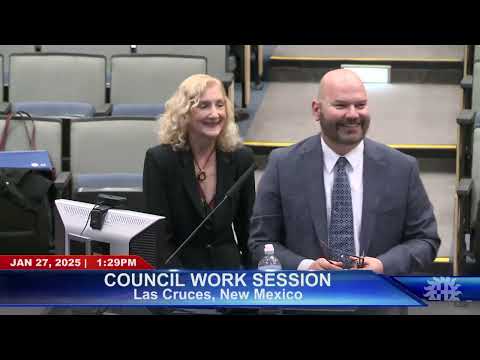
Las Cruces — A city-sponsored survey of residents 50 and older found that most respondents report feeling safe, independent and satisfied with current services, but awareness and use of several targeted programs is low, city staff told the Las Cruces City Council during a Jan. 27 work session.
Dr. Vicky Johnson, who presented the results, said the survey sought to identify awareness and use of nine major senior programs and to document challenges seniors face. “The biggest conclusion … is the lack of awareness of all the senior programs,” she said, noting the team had aimed for 381 responses and received nearly 700.
That higher-than-expected response gave staff demographic detail showing most respondents identified as White Hispanic/Latino and that women responded in greater numbers. Johnson said four of the nine programs had strong awareness; five — including case management, homemaker services, programs for grandparents raising grandchildren and respite care — showed much lower awareness and usage, averaging about 4 percent usage for those five programs.
The findings also showed variation by age: younger seniors (around age 50) reported more independence and lower need for in-home assistance compared with those in their 80s and 90s. Johnson summarized other results as high reported health and nutrition levels and generally adequate financial conditions among respondents, while noting 41 percent reported a fall or injury.
City staff and councilors discussed outreach methods used to recruit respondents. Johnson said the survey promotion included bilingual flyers, distribution in utility bills, visits to senior centers, posting at the library, farmers markets, grocery stores and pharmacies, and presence at city parks. She acknowledged limitations: homebound seniors who do not open utility bills may have been missed.
Councilors asked about several next steps. Sonia Saldana, identified as deputy director for senior programs, said the department has the raw survey numbers available even though the slides showed percentages only. Councilor Matisse asked whether the centers could bill Medicare or Medicaid for classes; Johnson said the centers are not set up to bill those programs now but staff can examine the feasibility.
Staff recommended increasing outreach so residents know about low-use programs and suggested the city consider more activities (respondents asked for more pickleball time, among other items). Johnson cautioned that increased awareness could raise demand beyond current funding and staffing levels and recommended budgeting or follow-up research as appropriate.
The council did not take formal action during the presentation but several members expressed support for wider outreach and for sharing program contact information through city communications and community partners.
Looking ahead, staff recommended a follow-up survey to measure changes after outreach and to dive deeper into needs for specific age groups.
Ending — The council thanked staff for the report and encouraged staff to provide materials that councilors could share at community meetings and with partner organizations.