Get Full Government Meeting Transcripts, Videos, & Alerts Forever!
Get email alerts on the Wastewater Infrastructure topic
No spam. Unsubscribe anytime.
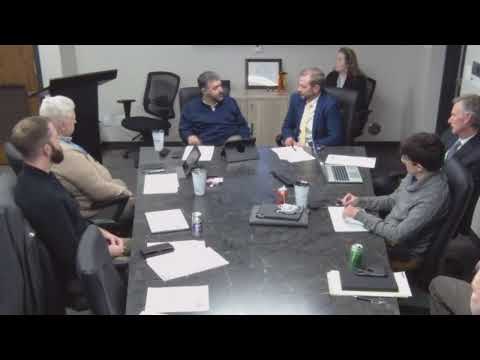
Council agrees to move ahead with wastewater plant facilities study; staff to use fund cash for $400,000 plan
Summary
City staff requested council permission to accelerate a comprehensive facilities study of the aging wastewater treatment plant, asking to spend $400,000 from the wastewater treatment plant fund to produce a facilities plan that will inform near‑term capital budgeting and long‑term upgrades. Council signaled support to proceed.
City staff asked the Casper City Council to approve an accelerated facilities plan for the city’s wastewater treatment plant and related infrastructure.
Tom (wastewater superintendent) and Christa described recurring equipment failures and aging systems across the facility — including problems with screw pumps, return‑activated sludge pump motor control centers, primary and secondary clarifiers, UV disinfection and sludge digesters. Tom said the last limited study was completed in 2017, covering only secondary treatment, and that a comprehensive plan is needed to sequence capital work and avoid emergency repairs.
Staff requested $400,000 for a full facilities plan and said they would combine that scope with screw‑pump replacement design for efficiency. Carter and finance staff explained the project funding: the Wastewater Treatment Plant Fund holds a significant balance and the proposal calls for using cash on hand rather than issuing debt. Staff stated the city accounts for approximately 84% of plant flows and that the fund balance is about $10,000,000; staff said the requested $400,000 would be taken from that fund.
Councilors asked clarifying questions about pro rata billing for regional users, whether the cost would affect member communities and whether the fee‑and‑rate model would require adjustments. Tom and Carter replied that the plant fund, not the city’s general fund, would cover the study and that member entities pay shares of operations and capital based on measured wastewater flows. Staff committed to bringing back detailed fund charts and rate model explanations at a later briefing.
Council direction: Council members indicated they were comfortable allowing staff to proceed immediately with the facilities‑plan procurement and approved using the wastewater treatment plant fund cash for the study; staff will return with contract documents and updated pro forma information.
Why it matters: The facilities plan is intended to sequence needed capital improvements, avoid unplanned outages, and inform next year’s budget requests. The plant supports regional wastewater service and capital choices will affect city and partner budgets.
Next steps: Staff to select a consultant for the facilities plan and screw‑pump design, complete the study, and present prioritized capital recommendations and updated rate/rate‑model charts to council.