Get Full Government Meeting Transcripts, Videos, & Alerts Forever!
Get email alerts on the Youth Mental Health topic
No spam. Unsubscribe anytime.
Natrona County health trust presents youth mental‑health forum findings; asks council to embed youth voice and fund 'third spaces'
Summary
The Natrona County Collective Health Trust briefed the Casper City Council on results from a December youth mental‑health forum and asked the council to help embed youth voice in policy and budget conversations and to collaborate on creating safe, youth‑focused 'third spaces.'
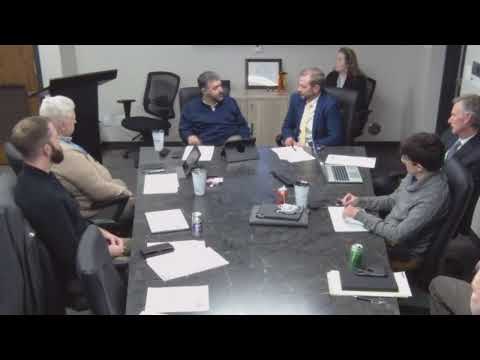
The Natrona County Collective Health Trust presented findings from a December youth forum and the work of its Youth Mental Health Collective to the Casper City Council on a recent council night, and asked council members to help embed youth voices in city processes and consider support for youth “third spaces.”
The trust said the Youth Mental Health Collective convenes partners from the school district, local government, nonprofits, businesses and parents to build and publicize resources for young people. Beth Wharton, representing the trust, told the council the foundation formed after a 2020 transaction involving Banner Wyoming Medical Center and Wyoming Medical Center and that “since inception, we’ve done more than $10,000,000 in grants” to nonprofits across Natrona County and run programs including the Youth Mental Health Collective and a local safety‑and‑justice program.
The forum, held in December, drew 31 participants ages 12 to 18 from area middle and high schools and from homeschool and online programs, the trust said. Leanne Loya, who leads the Youth Mental Health Collective, summarized themes from youth feedback: widespread distrust and disconnection from adults; reluctance to seek help at school because of mandatory‑reporting rules; pervasive judgment and stigma; cost and access barriers to mental‑health care; and a lack of teen‑focused safe spaces.
Loya said the youth “almost unanimously” reported they would not go to school for help because of rules that require staff to notify parents about certain disclosures; she said students asked to “know which resources are going to call my parents.” Loya reported examples of concerns youths raised including bullying, judgment from teachers over clothing or past mistakes, anxiety about coming out, and a desire for adults who are trained in trauma‑informed responses.
Forum participants also proposed concrete solutions, Loya said: asking adults to secure lethal means to reduce self‑harm risk, expanding trauma‑informed training for adults who work with youth, and creating “third spaces” — non‑school, non‑home places where teens can gather without being kicked out or policed. “Empathy,” Loya said, “and a sense of belonging kept coming up as the thing that would make a difference.” She quoted a participant’s blunt critique of earlier resource materials: “This looks like something my aunt would bring home from work,” a comment the trust used to redesign the resource guide and plan a web version.
Council members discussed measurement and coordination. Councilor Michael asked how progress and impact would be assessed; trust staff said a proposed partnership with the Wyoming Survey and Analysis Center (WISAC) could map service gaps and review juvenile‑justice and school attendance indicators to identify intervention points. Several councilors and staff offered to connect the trust with local youth programs and said they would discuss putting the item on a web session for more detailed direction.
The trust asked the council to (1) create a formal communication loop that embeds youth voice into city work rather than relying on intermittent comment, and (2) collaborate on designing and funding third spaces for teens. The council accepted the trust’s offer to continue collaborating and staff indicated they would schedule follow‑up discussions.
The trust said it will continue refining the resource guide and is working with the health department and 211 to publish a digital version for easier youth access.
Why it matters: City officials and the trust framed youth mental‑health supports as cross‑sector work touching schools, public safety, parks and recreation, and city budgeting. Trust leaders said youth‑informed design and targeted training could alter how local services reach young people.
Looking ahead: The trust will share detailed forum materials and the trust and city staff plan a web session to explore concrete next steps, including whether to pilot a youth‑designed third space and how to coordinate measurement and funding across partners.